Morocco faces renewed tension between islamist parties over elections
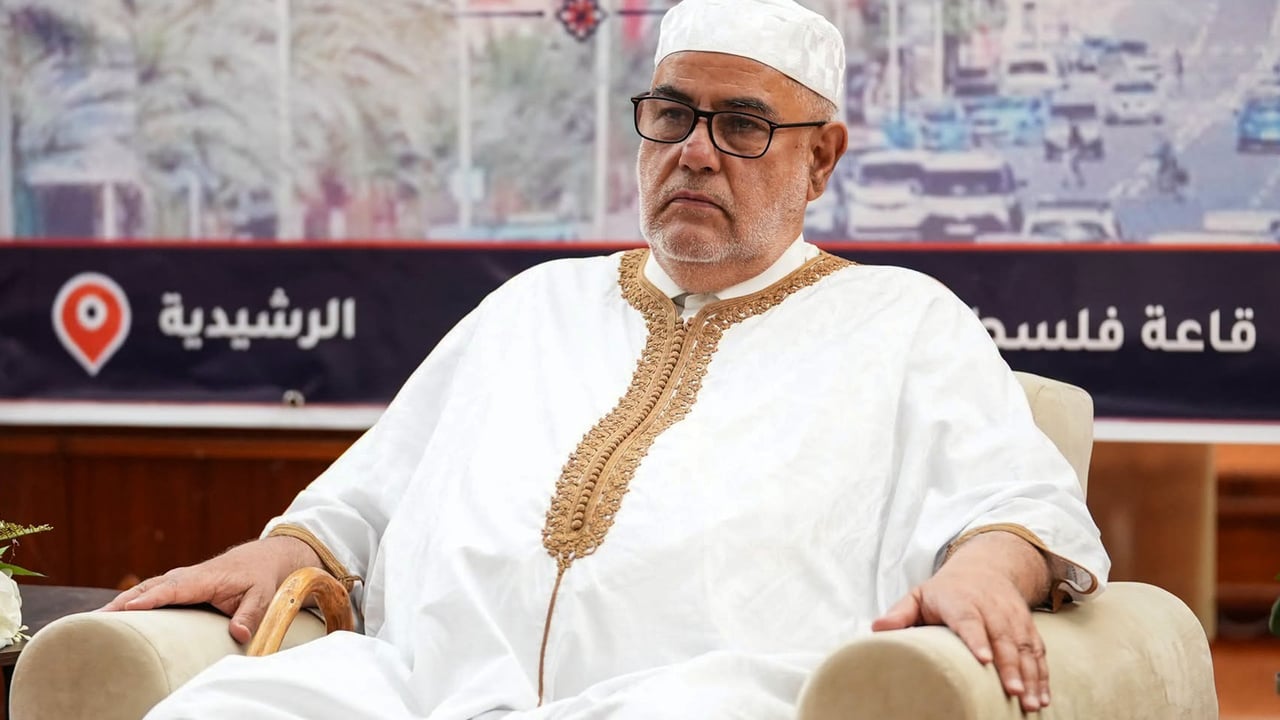

Tensions are escalating in Morocco as two prominent Islamist movements, the Party of Justice and Development (PJD) and Al Adl Wal Ihsane, clash over the relevance of upcoming elections. The debate has reignited old divisions, casting a spotlight on the evolving role of political Islam in the kingdom’s governance.
Where the PJD stands on Morocco’s electoral process
The PJD, led by former Prime Minister Abdelilah Benkirane, has long positioned itself as a key player in Morocco’s political landscape. However, its stance on elections has come under intense scrutiny in recent months. While the party has historically participated in electoral competitions, some of its members now question whether the current system offers meaningful change or merely reinforces the status quo.
In public statements, Benkirane emphasized the PJD’s commitment to democratic principles but acknowledged growing frustration among supporters. “Elections in Morocco must reflect the will of the people, not just the interests of the elite,” he remarked during a closed-door meeting in June 2026. The PJD’s internal discussions reveal a divide: some advocate for a boycott, while others push for continued engagement to push for reforms from within.
Al Adl Wal Ihsane’s rejection of Morocco’s political framework
Opposing the PJD’s approach, Al Adl Wal Ihsane—a movement often described as Morocco’s largest Islamist group—has taken a firm stance against participation in elections. Its leadership argues that Morocco’s electoral system is inherently flawed, designed to marginalize opposition voices and maintain the dominance of traditional power structures.
The group’s refusal to engage in electoral politics stems from a belief that real change cannot come through ballots but only through broader social and political transformation. “True justice in Morocco requires dismantling the system, not playing by its rules,” stated a senior figure within the movement. This uncompromising position has intensified the rivalry with the PJD, which the group accuses of legitimizing an unjust framework.
What’s driving the renewed debate in Morocco?
The resurgence of this debate is fueled by several factors:
- Political fatigue: After years of limited reforms, many Moroccans feel disillusioned with the electoral process, questioning its ability to deliver tangible results.
- Leadership transitions: Changes in the PJD’s ranks and the rise of younger, more assertive figures have reshaped internal dynamics, sparking fresh debates on strategy.
- External pressures: Regional instability, including spillover from conflicts in neighboring countries, has heightened concerns about stability and governance in Morocco.
- Public sentiment: Growing skepticism toward political institutions has emboldened both Islamist factions to redefine their approaches to political engagement.
Implications for Morocco’s political future
The standoff between the PJD and Al Adl Wal Ihsane reflects deeper questions about Morocco’s democratic trajectory. While the PJD’s willingness to navigate electoral politics offers a path to gradual reform, Al Adl Wal Ihsane’s rejection of the system presents an alternative vision—one that prioritizes confrontation over compromise.
Analysts warn that the current impasse could further polarize Morocco’s political scene, making it harder to address pressing issues such as economic inequality and youth unemployment. “The choice between engagement and resistance will define the next chapter of Morocco’s political evolution,” noted a political observer based in Rabat.
What’s next for these Islamist movements?
With no clear resolution in sight, both factions are likely to double down on their positions. The PJD may intensify its advocacy for electoral reform, while Al Adl Wal Ihsane could escalate its grassroots mobilization efforts. The outcome will hinge on how effectively each group can sway public opinion and navigate the complexities of Morocco’s political environment.
One thing is certain: the debate over elections is far from over, and its resolution will have lasting consequences for Morocco’s democratic experiment.