
Football’s greatest modern icon has made a choice that will echo through history. At 41, Cristiano Ronaldo has decided to step away from the Portugal national team, ending a 23-year journey that reshaped an entire nation’s relationship with the game. His farewell wasn’t just a personal milestone—it was the closing chapter of a generational narrative that redefined what it means to represent a country on the global stage.
The emotional weight behind the decision
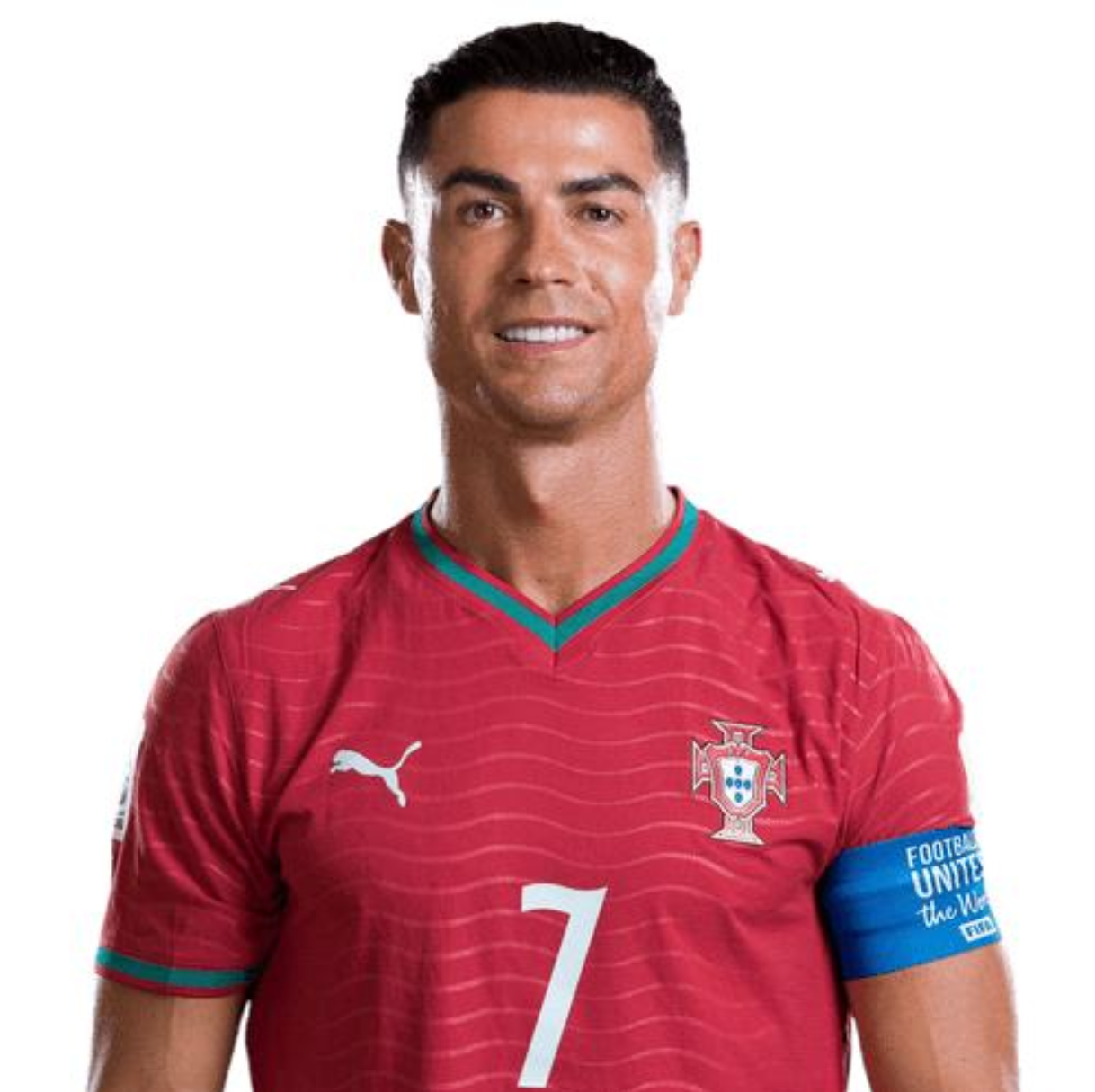
In a heartfelt video address shared with the world, Ronaldo made his announcement official: Portugal’s iconic number 7 jersey would no longer bear his name on the international stage. The decision came after years of speculation, but the timing carried unexpected poignancy—a rare moment when a superstar prioritized legacy over continued competition.
« Twenty-three years is a lifetime in football, » Ronaldo reflected in his statement. His words captured the bittersweet reality of a player who had given everything to his country, only to recognize that the torch must now pass to a new generation. The emotional toll of the announcement was palpable, not just for fans, but for those who had watched him evolve from a precocious teenager into the face of a footballing revolution.
The numbers that tell Portugal’s story
Ronaldo’s statistics speak for themselves, but they barely scratch the surface of his impact. Over 234 appearances, he netted 146 goals—records that may never be surpassed. His tenure spanned six World Cup tournaments, with performances that oscillated between brilliance and controversy, yet always maintained a singular focus: lifting Portugal to glory.
The crowning achievements came in Euro 2016, where he lifted the trophy despite injury, and in the 2019 UEFA Nations League, where his leadership was instrumental. A second Nations League title in 2025 only solidified his status as the architect of a new Portuguese golden age. What these numbers don’t reveal, however, is the cultural shift Ronaldo inspired—a shift that turned Portugal from an underdog into a footballing powerhouse.
The symbolism of the number 7
More than a statistic, the number 7 became a cultural emblem. To millions of Portuguese fans, it represented hope, resilience, and the unshakable belief that dreams—no matter how distant—could be achieved. Ronaldo’s journey mirrored the country’s own transformation: from a nation known more for its emigration than its sporting prowess, to a team that could compete—and now, regularly triumph—on the world stage.
His legacy transcends borders. In stadiums from Lisbon to Riyadh, from Manchester to Madrid, Ronaldo didn’t just play football—he changed how the world perceived Portuguese football. His work ethic, his professionalism, and his relentless pursuit of excellence set a new standard for what it means to wear a national jersey.
Life after the red jersey
Ronaldo’s retirement from international football doesn’t signal the end of his story. His club career at Al-Nassr continues, with the 1,000-goal milestone still within reach—a symbolic target that would cement his place in history as the sport’s most prolific scorer. But for Portugal, the question now looms: who will fill the void he leaves behind?
The challenge isn’t just about finding a goalscorer. It’s about identifying a leader who can inspire a team the way Ronaldo did—a captain who can carry the weight of a nation’s expectations. The next generation of Portuguese talents, from Rafael Leão to João Neves, now face an enormous responsibility: to uphold the standards set by history’s most decorated international footballer.
A new era begins
The end of Ronaldo’s international career marks more than the close of a chapter; it signals the dawn of a new phase for Portuguese football. The team will no longer have its talisman on the pitch, but it will carry forward his fighting spirit. The records he set may stand for decades, but his influence will live on in the values he instilled: discipline, passion, and the unwavering belief that talent, when nurtured, can conquer the world.
Gratitude and farewell
To the Portuguese people, Ronaldo’s legacy is a debt of gratitude. His tears at Euro 2004, his triumph at Euro 2016, and his relentless pursuit of glory underlined a bond that went beyond sports. Football in Portugal will never be the same, but neither will the global game. Ronaldo didn’t just leave a nation behind—he left an indelible mark on the soul of the sport itself.
Thank you, Cristiano Ronaldo. The green and red of Portugal may not see your number again, but the imprint of your career will resonate forever.