
Behind the scenes: the hidden cracks in Niger’s fuel supply chain
At first glance, the convoy of Algerian fuel trucks rolling into Niger’s Agadez depot looked like a diplomatic triumph. A delegation of officials, including the Minister of Petroleum, SONIDEP executives, and regional leaders, gathered to welcome 53 tankers carrying 1.65 million liters of fuel. Drums, trumpets, and speeches painted the moment as a victory of cross-border energy cooperation.
But beneath the ceremonial fanfare lies a troubling reality: how did a country with an operational refinery and substantial fuel production end up begging for imports to keep its own market running? The answer isn’t just about supply shortages—it’s about failures in stock management, financial missteps, and governance gaps that have weakened Niger’s once-strong petroleum sector.
The vanishing surplus: where did Niger’s fuel reserves go?
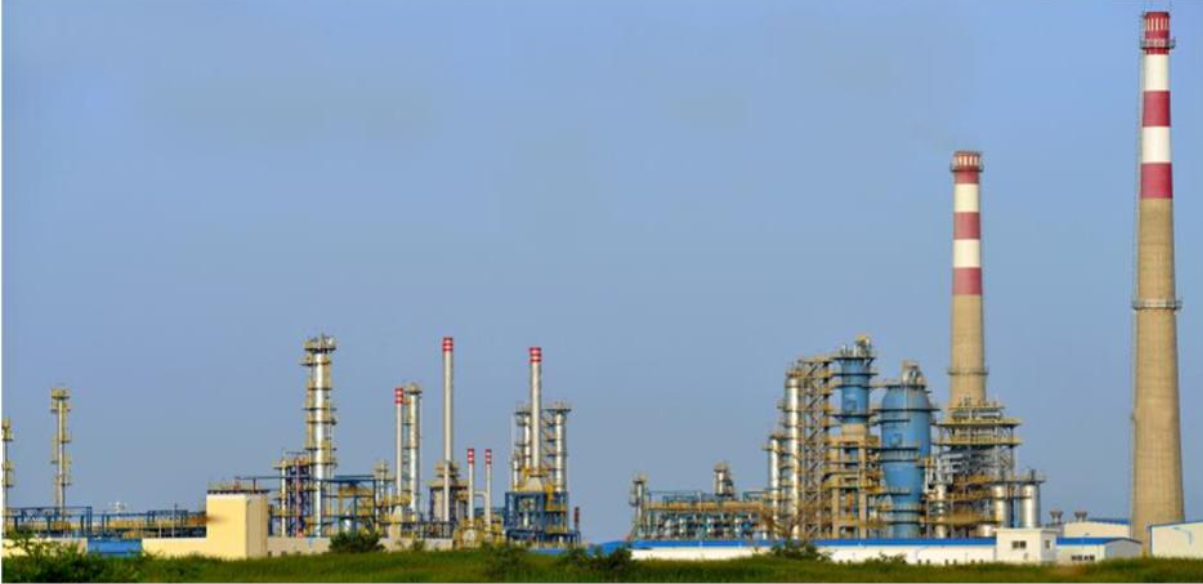
To understand the crisis, we must rewind to the numbers. Niger’s Zinder refinery (SORAZ) churned out 365.95 million liters of gasoline in 2023, exporting 37.69 million liters as surplus. By 2024, however, the excess evaporated. That year, production dipped slightly to 345.34 million liters, but every drop was reportedly handed to SONIDEP, leaving zero surplus for export or reserves. The trend persisted into early 2025, with 56.88 million liters produced and consumed domestically.
Official statements from late 2024 claimed gasoline and LPG were entirely reserved for the local market, while diesel continued to be exported. While Niger isn’t entirely cutting off fuel exports, the shift reveals a critical vulnerability: the disappearance of a buffer that once ensured national supply stability.
Financial red flags: SONIDEP’s debt crisis and the cost of short-term fixes
SONIDEP, Niger’s state-owned distributor, sits at the heart of this conundrum. Despite receiving massive volumes of fuel, reports suggest the company has accumulated a debt exceeding 418 billion FCFA—an amount that, if confirmed, would raise serious questions about revenue collection, debt management, and stock control. How can a distributor handling hundreds of millions of liters owe such a staggering sum? Key unknowns remain:
- Are all sales payments fully recovered?
- Are receivables from distributors and bulk buyers properly managed?
- What portion of revenue actually reaches SONIDEP’s coffers?
The lack of transparency raises another disturbing possibility: were strategic reserves liquidated at discounted rates to plug cash-flow gaps? Wholesale stock sales could have temporarily eased financial pressure but left the nation dangerously exposed. Without verifiable contracts and inventory logs, these claims remain unanswered—leaving Niger’s energy security hanging by a thread.
From informal imports to formal dependence: the collapse of Nigeria’s gray market
Niger’s fuel crisis wasn’t inevitable. For years, a significant portion of the market was fed by smuggled gasoline from Nigeria, where cheaper prices made it attractive despite its illegal status. When Nigeria slashed fuel subsidies in 2025, prices there rose, reducing the appeal of black-market imports. Border crackdowns further throttled these clandestine flows.
By March 2025, a SONIDEP commercial manager admitted the country was receiving only 25 tankers from SORAZ daily—half the national requirement of 50. The shortfall was directly linked to the decline in Nigerian smuggled fuel. The episode exposed a dangerous over-reliance on informal supply chains, which, once disrupted, left Niger scrambling for formal alternatives.
Yet, even as the gray market collapsed, preventive measures lagged. Why weren’t storage facilities expanded or import channels proactively strengthened? The inability to pivot quickly from informal to formal supply chains points to systemic weakness in crisis planning.
The Mali paradox: exporting solidarity while importing fuel
Niger’s efforts to aid Mali in late 2025 added another layer to the puzzle. As Bamako faced a fuel blockade by armed groups, Niamey dispatched 82 tankers—despite its own tightening reserves. The operation came with stiff penalties: 14 transporters lost their licenses, and 19 drivers had their permits revoked for refusing to participate in the convoys.
The juxtaposition is jarring. Why the grand ceremony for Algerian fuel trucks, while transporters face sanctions for delivering to a neighboring ally? The double standard underscores a deeper issue: absent a clear national energy strategy, priorities shift with political winds, leaving domestic stability at risk.
Algeria as a stopgap: a partner or a symptom of failure?
Algeria’s role as a fuel supplier isn’t inherently problematic. With robust refining capacity and close geographic ties, Algiers is a logical partner. But the context of Niger’s 2026 fuel crisis—gasoline and diesel shortages, export bans on refined products, and the creation of a prime minister-led crisis committee—paints a more troubling picture.
In October 2026, the government barred super and diesel exports to prioritize domestic supply, a move that tacitly admitted a shortfall. Yet, none of these measures address the root causes. Is Algeria’s fuel a band-aid on a wound that demands surgery? The answer lies in the transparency of the deal: Were prices competitive? Were volumes sufficient? And what long-term costs does this dependency impose on Niger’s refining sector?
The way forward: accountability, reserves, and reform
Niger’s oil wealth is a double-edged sword. The country possesses a functioning refinery, domestic resources, and decades of experience in fuel trade. Yet, in 2026, it must import crude to meet its own needs—a paradox that demands accountability. The missing pieces of this puzzle include:
- Excess fuel from past years: Where did the 2023 surplus of 37.69 million liters disappear?
- Strategic reserve levels: Are the nation’s safety stocks sufficient, or were they liquidated?
- Financial health of SONIDEP: Are the reported debts accurate, and if so, how did they balloon to 418 billion FCFA?
- Maintenance funding for SORAZ: Are resources available to service the refinery, or have short-term fixes starved long-term resilience?
The Algerian fuel convoy may have eased a temporary crunch, but it cannot replace a coherent energy policy. Niger deserves answers—not just about the fuel it imports, but about the system that failed to produce it. Until the full supply chain, from Zinder’s refinery to Agadez’s depots, undergoes independent scrutiny, the country will remain vulnerable to the next crisis.