
Behind the scenes: why Niger’s absence overshadows Mali-Burkina Faso unity
The surprise absence of Niger’s president at a high-stakes meeting between Mali and Burkina Faso has cast a spotlight on the fragile dynamics within the Sahel Alliance (AES). While Bamako and Ouagadougou move forward with bilateral cooperation, the silence from Niamey raises questions about the alliance’s future cohesion.
Diplomatic rendez-vous in Ouagadougou: a two-country affair
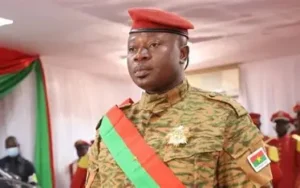
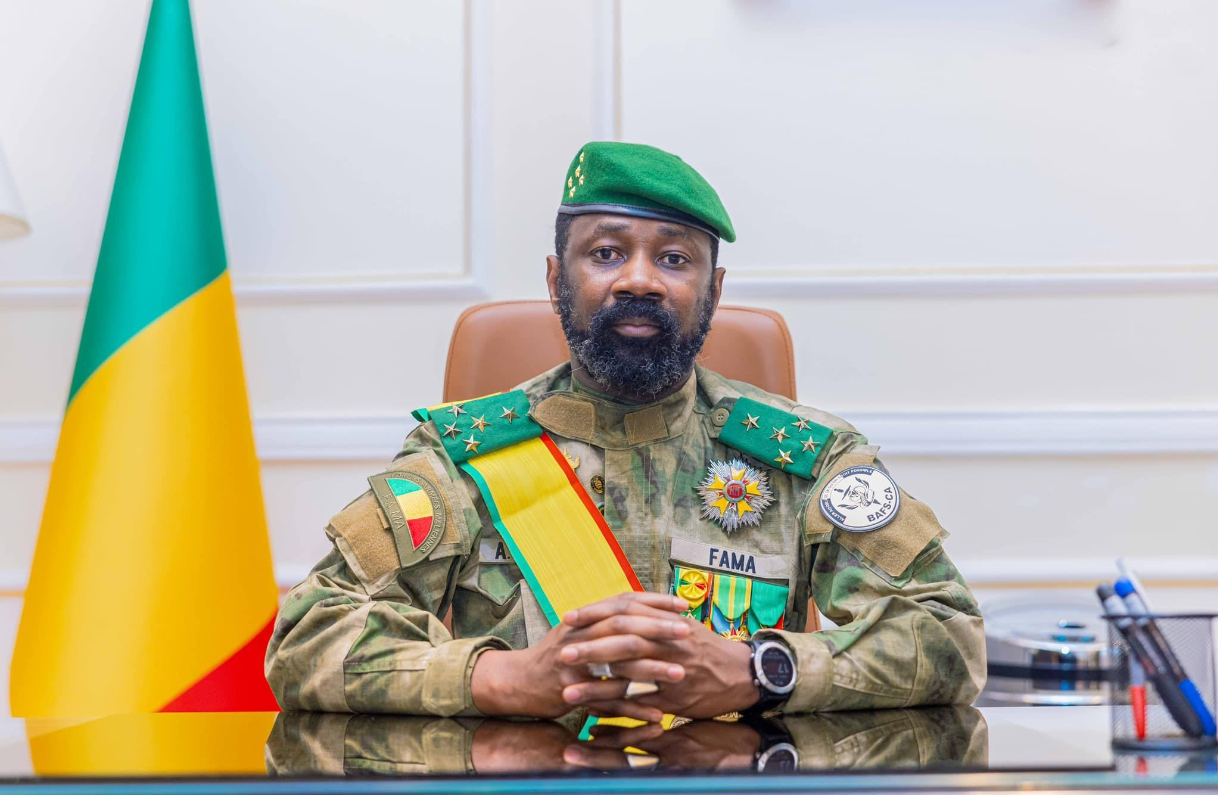
On November 5, 2026, Malian leader Assimi Goïta arrived in Ouagadougou for a carefully planned state visit to meet Burkina Faso’s Ibrahim Traoré. The gathering, framed as a work and friendship trip, underscored the deepening ties between the two nations. Yet, the conspicuous absence of Niger’s leader, Abdourahamane Tiani, layered an unspoken tension over the proceedings.
The event, though officially billed as a bilateral engagement, unfolded against the backdrop of the Sahel Alliance—a political bloc designed to foster solidarity among Burkina Faso, Mali, and Niger. The AES, originally formed in 2023 and later rebranded as a confederation in 2024, has long positioned itself as a united front against shared threats. Now, its cohesion is being tested.
Shared goals, fragmented execution?
The AES was built on three pillars: security, political alignment, and economic cooperation. All three member states have repeatedly pledged to prioritize regional stability and mutual defense. Yet, the latest high-level encounter—attended only by Mali and Burkina Faso—exposes cracks in the alliance’s operational unity.
- Security cooperation: Cross-border militant activity continues to threaten all three nations, demanding unified military strategies and intelligence sharing.
- Diplomatic leverage: A cohesive AES could negotiate more effectively with regional partners and global stakeholders.
- Economic integration: Joint infrastructure and trade initiatives have been proposed, but progress hinges on collective political will.
The silence from Niamey does not imply exclusion from the alliance’s broader agenda. Earlier, on October 16, 2026, the foreign ministers of all three countries convened in Ouagadougou. Their meeting, part of the AES ministerial steering committee, aimed to align regional policies—proof that the bloc remains active at the technical level.
Bilateral momentum vs. confederation vision
While Mali and Burkina Faso deepen their relationship, analysts suggest the November 5 visit may have been deliberately bilateral. Economic partnerships, joint military exercises, and infrastructure projects are easier to negotiate between two parties than among three.
Yet, the AES’s founding principle rests on inclusivity. Strategic decisions—such as regional security pacts or international negotiations—require all three heads of state. The absence of Niger’s leader, even temporarily, signals that the alliance’s leadership may be prioritizing pragmatic bilateral gains over collective action.
What’s next for the AES?
The coming weeks will reveal whether this week’s meeting leads to broader consultative rounds involving Niamey. The ability of Mali, Burkina Faso, and Niger to reconcile their national agendas with shared objectives will determine the alliance’s resilience.
One thing is clear: the AES cannot thrive on bilateral warmth alone. It needs visible, consistent leadership from all three capitals to turn shared rhetoric into actionable outcomes.
Reading the silence: separation or strategy?
No official explanation has been given for Tiani’s absence. Speculation ranges from domestic priorities to tactical diplomacy. However, one interpretation stands out: this may be a deliberate pause, not a fracture. The AES has weathered delays and setbacks before. Its survival will depend not on flawless execution, but on each member’s willingness to reaffirm the original vision—together.