
The unexpected detention of former Nigerien police inspector Habibou Oumarou Mamane, nicknamed “The Rebel,” has sent shockwaves through regional intelligence circles. Alongside ten associates, he was remanded in custody on November 3, 2026, following explosive televised testimony that suggested clandestine operations involving exiled actors and what he described as Beninese intelligence intermediaries.
What the televised accusations reveal about cross-border security threats
The October 23 broadcast on Niger’s state television, RTN, marked a turning point in a story that had simmered beneath diplomatic tensions between Niamey and Cotonou. In his nationally televised appearance, Habibou Oumarou Mamane alleged a network of contacts with individuals he claimed were tied to Beninese intelligence services. Most notably, he asserted his involvement in efforts to locate Beninese Lieutenant Colonel Pascal Tigri, a figure whose possible relocation was framed as part of broader destabilization preparations against Niger’s government.
His account extended to include Nigerien expatriates who, he claimed, had participated in exchanges that could support destabilization efforts targeting Niamey. Such claims, though unverified at present, introduce the disturbing possibility of transnational destabilization Cells operating with foreign backing.
Benin’s shadow in the dossier: what the allegations imply
The name of Benin emerges from this case not through official channels, but through the personal assertions of an exiled police officer. Habibou Oumarou Mamane’s public statements point to “links with Beninese intelligence” — a phrase that instantly raises regional eyebrows amid already strained relations between the two nations. While claims of covert operations are taken seriously, they remain uncorroborated and, for now, confined to the realm of testimony.
This is not the first time Niamey and Cotonou have traded accusations of destabilization. But this affair takes on new gravity due to its timing and the profile of the accuser. A former senior security official using state media to accuse foreign actors adds a layer of credibility — even if full proof has yet to surface.
Public denials add to the uncertainty
One of the most widely circulated names in connection with the case is that of Ange Chekaraou, a figure Habibou Oumarou Mamane claimed was complicit in the alleged network. Chekaraou has since denied any involvement, calling the accusations baseless. His categorical rejection underscores a critical truth: until judicial evidence emerges, every allegation remains a contested claim rather than an established fact.
In ongoing legal proceedings, the presumption of innocence must prevail — not only for the eleven individuals now detained, but for all those named in public testimony.
Eleven in custody: what happens next in the judicial process
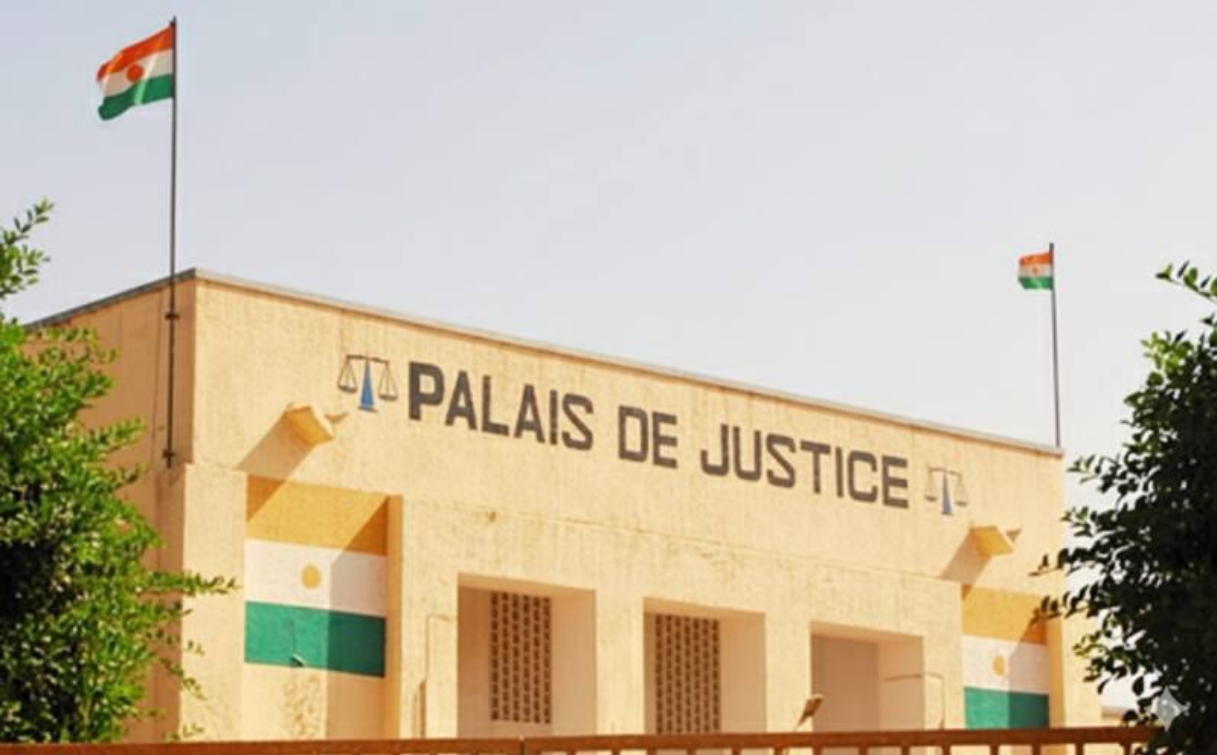
The magistrate’s decision to place Habibou Oumarou Mamane and his ten co-defendants under pretrial detention signals a decisive phase in the inquiry. But remand is not a verdict. It reflects a determination by investigating judges that sufficient grounds exist to suspect involvement in acts that could threaten state security — but the precise charges, supporting evidence, and individual responsibilities remain under judicial examination.
Key questions linger: Are there concrete links between the accused and the claimed destabilization plans? Do independent sources validate the former officer’s narrative? What documentary or electronic evidence ties the detained individuals to foreign entities?
As the judicial process unfolds, transparency will be essential. Public trust hinges on whether investigations can separate verified facts from unproven allegations and whether authorities can demonstrate due process in line with legal standards.
Diplomatic fallout: how this case could reshape Niger-Benin relations
Even before a verdict is reached, the affair has already strained diplomatic channels. When a high-ranking security figure accuses foreign intelligence services on national television, governments cannot ignore the implications. Cotonou has not formally responded to the allegations, but diplomatic sources suggest consultations are underway behind closed doors to assess the impact on bilateral relations.The timing is especially delicate. Regional security cooperation in the Sahel remains fragile, and mutual trust between Niamey and Cotonou is at a low point. Any proven involvement of foreign actors in destabilization efforts would constitute not only a legal violation, but a direct challenge to Niger’s sovereignty and stability.
Awaiting justice amid political tension
For now, the judicial system holds the key to resolving this controversy. Will investigations uncover credible evidence of a foreign-backed destabilization plot? Or will the testimony of Habibou Oumarou Mamane remain an unverified claim, leaving behind a cloud of suspicion over individuals and institutions?
One thing is clear: as long as questions persist, the case will continue to fuel speculation, media scrutiny, and diplomatic caution. The only path forward is a thorough, impartial judicial process that respects the rule of law and upholds the rights of all involved — without succumbing to premature conclusions or geopolitical pressures.