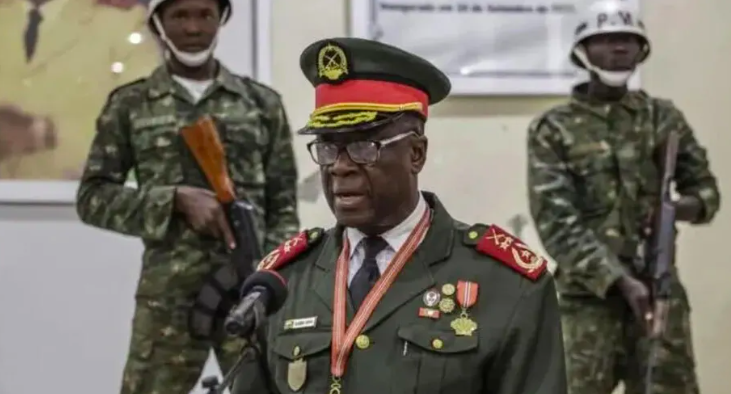
Guinea-Bissau’s political deadlock is entering a critical phase as Senegal steps forward as the designated mediator in the crisis. A high-powered delegation from Dakar, led by Foreign Minister Cheikh Niang and Defense Minister Yankoba Diémé, arrived in Bissau on Thursday for a landmark meeting with transitional leader General Horta Ntam.
The visit marks the first official mission following the July regional summit in Freetown, where the Economic Community of West African States (ECOWAS) formally tasked Senegal with spearheading negotiations to restore constitutional rule in Guinea-Bissau.
During the closed-door discussions, Minister Niang presented a structured mediation roadmap designed to accelerate Guinea-Bissau’s return to democratic governance. The plan outlines phased negotiations aimed at aligning with the country’s electoral calendar, including the upcoming constitutional referendum slated for August 30, 2026.
In remarks following the meeting, Niang emphasized the need for sustained dialogue between Guinea-Bissau’s military leadership and civilian stakeholders. Both sides agreed to establish a working framework to formalize negotiations within the coming weeks, ensuring the process remains on track ahead of the referendum.
The political crisis in Guinea-Bissau erupted last November when military forces ousted President Umaro Sissoco Embalo, halting all electoral processes. The transitional government has since prioritized legal reforms, including the constitutional referendum—a pivotal step widely monitored by international observers.
The referendum aims to revise key provisions of the national constitution, paving the way for fresh elections. Analysts view this as a litmus test for Guinea-Bissau’s ability to transition back to civilian rule and restore institutional stability.