Senegal’s economic divide: Sonko vs Faye clash over debt and growth
Senegal’s economic divide: Sonko vs Faye clash over debt and growth
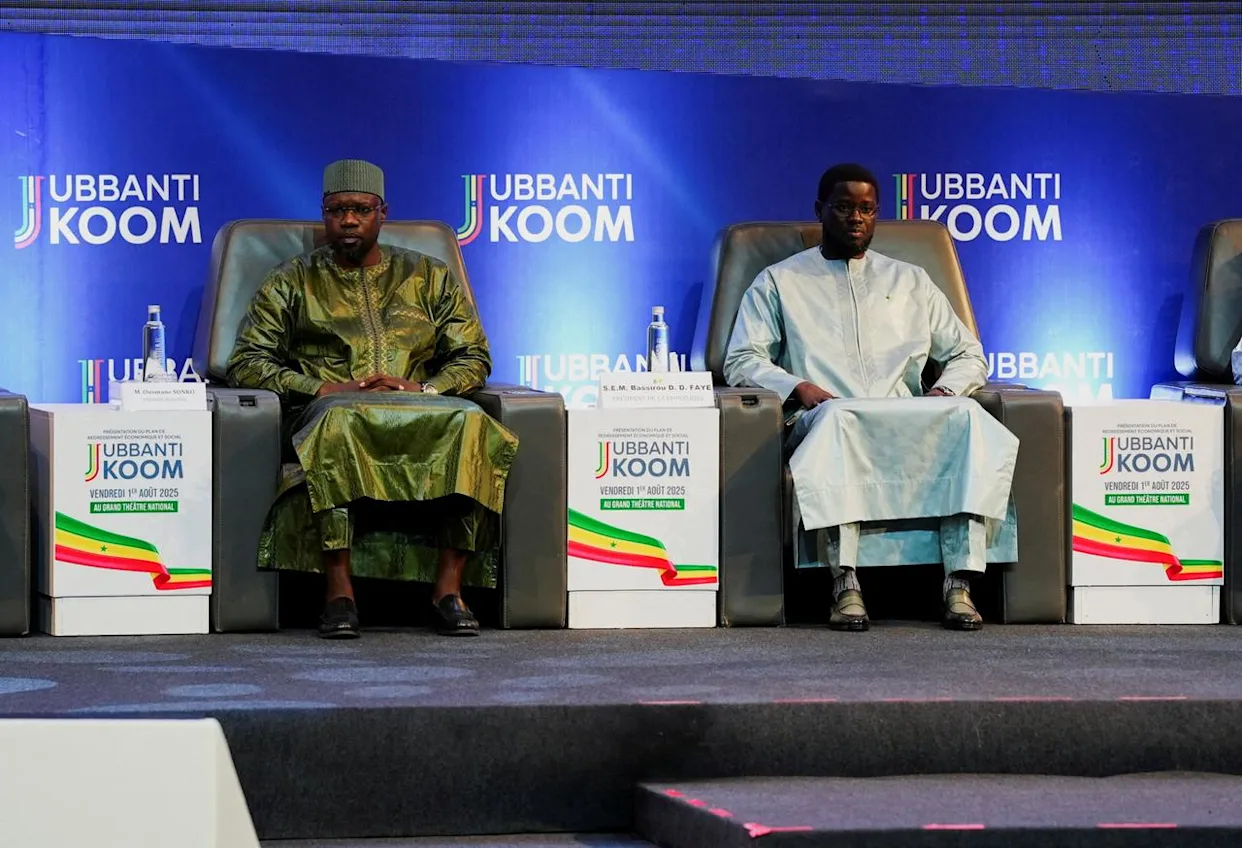
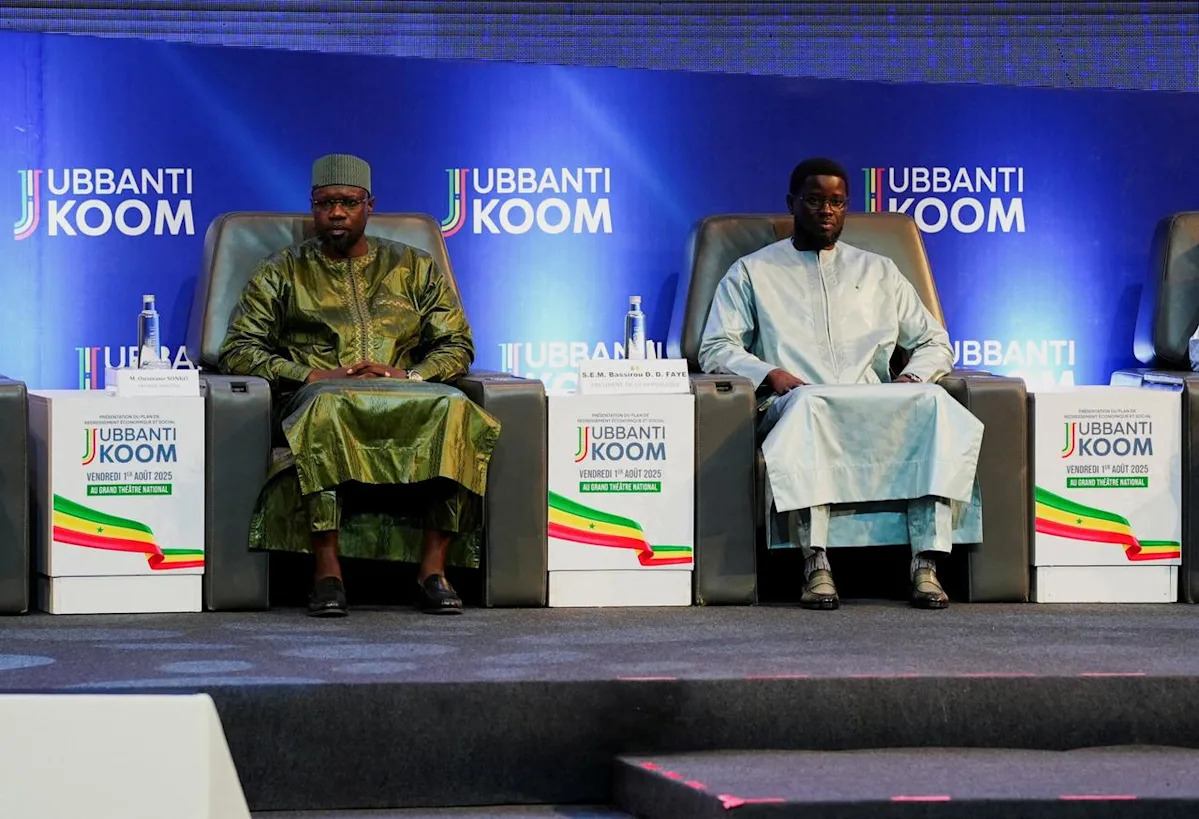
The dismissal of Ousmane Sonko by President Bassirou Diomaye Faye on May 23, 2026, was not merely a clash of personalities. It marked the collapse of an unsustainable partnership built on opposing visions for Senegal’s economic future. Two years after Faye’s rise to power in April 2024, the alliance between the two leaders fractured over three critical economic pillars: national debt management, hydrocarbon development, and the role of foreign investment in shaping policy.
Debt crisis: the unbridgeable gap
The most glaring point of contention was debt. In September 2024, Sonko publicly exposed billions in unreported debt accumulated under the previous administration. By March 2025, an International Monetary Fund assessment confirmed over €7 billion in off-balance-sheet liabilities, pushing Senegal’s total debt beyond 100% of GDP. Annual debt service costs reached 5.5 trillion West African CFA francs (€8.4 billion), while refinancing needs approached 6 trillion francs (€9.1 billion). The country’s sovereign credit rating was downgraded three times within a single year.
These figures framed an impossible choice. Sonko’s approach prioritized public denunciation, framing debt repayment as a betrayal of the anti-corruption mandate that defined his political brand. He leveraged the debt crisis to rally supporters, both domestically and in the diaspora, positioning himself as a defender of national sovereignty against foreign creditors. Faye, by contrast, pursued a pragmatic path, engaging directly with IMF officials in November 2025 and initiating a national dialogue in May 2026 to address the crisis.
With a suspended IMF program totaling €1.55 billion, restricted access to international capital markets, and the looming threat of sovereign default by 2028, Sonko’s confrontational stance became economically untenable—even as it remained politically potent for mobilizing the PASTEF [Patriotes africains du Sénégal pour le travail, l’éthique et la fraternité] base.