
Political Tensions Surge as Ibrahima Thiam Challenges Ousmane Sonko’s Statements
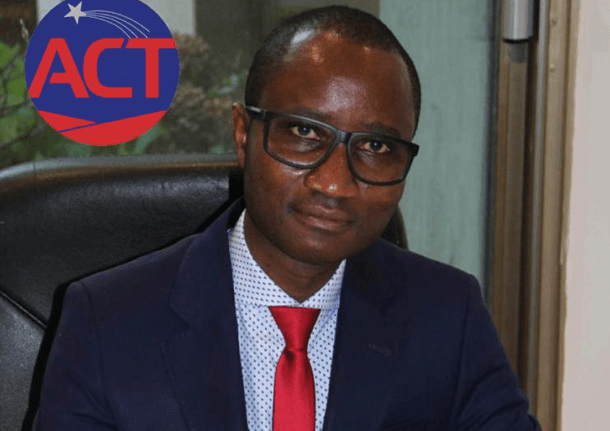
The leader of Senegal’s ACT party, Ibrahima Thiam, has publicly condemned recent statements made by Ousmane Sonko, calling them a threat to national unity. In a sharply worded opinion piece titled “The Danger of Generalizations: Sonko’s Latest Overstep”, Thiam accused Sonko of using inflammatory rhetoric to provoke division rather than foster meaningful debate.
Accusations Targeting Touba and the Mouride Community
According to Thiam, Sonko’s remarks appeared to link Touba—a revered spiritual and economic hub in Senegal—and its Mouride community to criminal activities. The ACT president argued that such broad accusations, even if unintended, fuel harmful generalizations and undermine social cohesion. He emphasized that in a functioning democracy, responsibility must be individual, not collective, and that public figures must avoid casting suspicion on entire groups.
Populism vs. Responsible Leadership
Thiam went further, accusing Sonko of employing a populist strategy where sensationalism replaces substance. He suggested that Sonko’s approach—relying on shocking phrases and media-driven confrontation—serves only to energize his political base rather than engage in constructive discourse. This tactic, Thiam warned, risks deepening societal divisions rather than addressing real issues.
He underscored that Touba holds immense spiritual, historical, and economic significance for Senegal, with the Mouride community playing a key role in the nation’s unity. Any public rhetoric that could be interpreted as a blanket indictment of this community, Thiam asserted, must be handled with extreme caution to prevent unintended consequences.
A Call for Measured Political Discourse
Concluding his critique, Thiam urged political leaders to adopt a more measured tone, grounded in facts and respect for all communities. His plea centers on preserving national unity and ensuring that democratic debate remains constructive rather than divisive. The clash highlights growing tensions between Senegal’s political factions and the delicate balance required to maintain social harmony.