Soufism in Senegal: how anticolonial heritage fuels modern politics
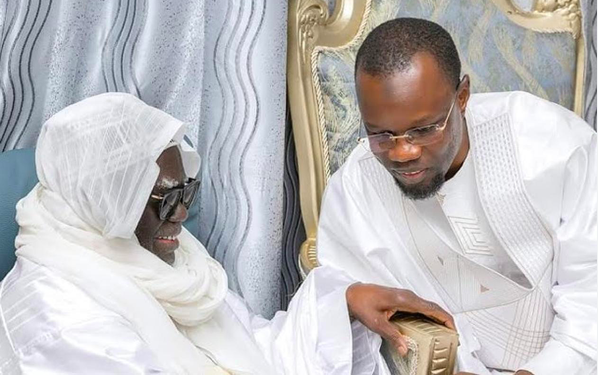
Soufism in Senegal: how anticolonial heritage fuels modern politics
The religious fervor of Senegal’s deeply Sufi-influenced society has long intertwined with its political landscape. Today, a new wave of nationalist discourse is reviving the legacy of historical Islamic leaders—not merely as spiritual figures, but as symbols of resistance and self-determination.
Political leaders turn to soufi guides for legitimacy
From President Bassirou Diomaye Faye to Assembly President Ousmane Sonko, Senegal’s ruling class increasingly draws from the narratives of revered religious figures to craft a vision of national identity rooted in African sovereignty. Both leaders have recently made high-profile visits to Touba, the spiritual heart of the Mouride brotherhood, seeking the endorsement of Serigne Mountakha Mbacké, the brotherhood’s supreme guide.
This pilgrimage underscores the enduring influence of Sufi leaders, often described as “pillars of the nation” in times of political uncertainty. Ousmane Sonko went further by publicly aligning himself with the legacy of Cheikh Ahmadou Bamba, founder of the Mouride order and a symbol of peaceful resistance against French colonial rule. Sonko explicitly linked his political vision to Bamba’s refusal of foreign financial aid, framing it as a model for safeguarding the autonomy of Senegalese communities.
Anticolonial narratives reshaping national identity
A broader intellectual movement is reframing Senegal’s religious history through an anticolonial lens. Cheikh Gueye, a Mouride scholar and researcher, notes that younger generations and political activists are increasingly interpreting figures like Cheikh Ahmadou Bamba, El Hadj Oumar Tall (of the Tijaniyya order), and Thierno Souleymane Baal—not just as spiritual guides, but as “political inspirations without deifying them”.
This reinterpretation extends beyond the classroom. Mamadou Fall, editor of the upcoming General History of Senegal, advocates for integrating these religious narratives into school curricula—but with nuance. He acknowledges that while some figures are celebrated for their anticolonial stance, others, particularly in certain regions, are remembered for their military campaigns and conquests. This duality reflects the complexity of Senegal’s past and challenges a unified national narrative.
Navigating historical contradictions
Not all revered religious leaders resisted colonialism. Some, such as Cheikh Ahmadou Bamba, are celebrated for their peaceful defiance, while others—like those who facilitated the recruitment of tirailleurs (colonial soldiers)—are viewed through a more critical lens. Today’s youth, with greater access to information and critical thinking, are increasingly willing to confront these contradictions, using history not as a monolithic myth, but as a tool for understanding contemporary challenges.
The political instrumentalization of Sufi heritage reflects a broader trend in Senegal: the search for models of development and governance that are distinctly African. By revisiting the past, leaders and citizens alike are attempting to forge a future that reconciles tradition with modernity, spirituality with sovereignty.