
Tchad faces rising intercommunal violence: security minister urges unified action
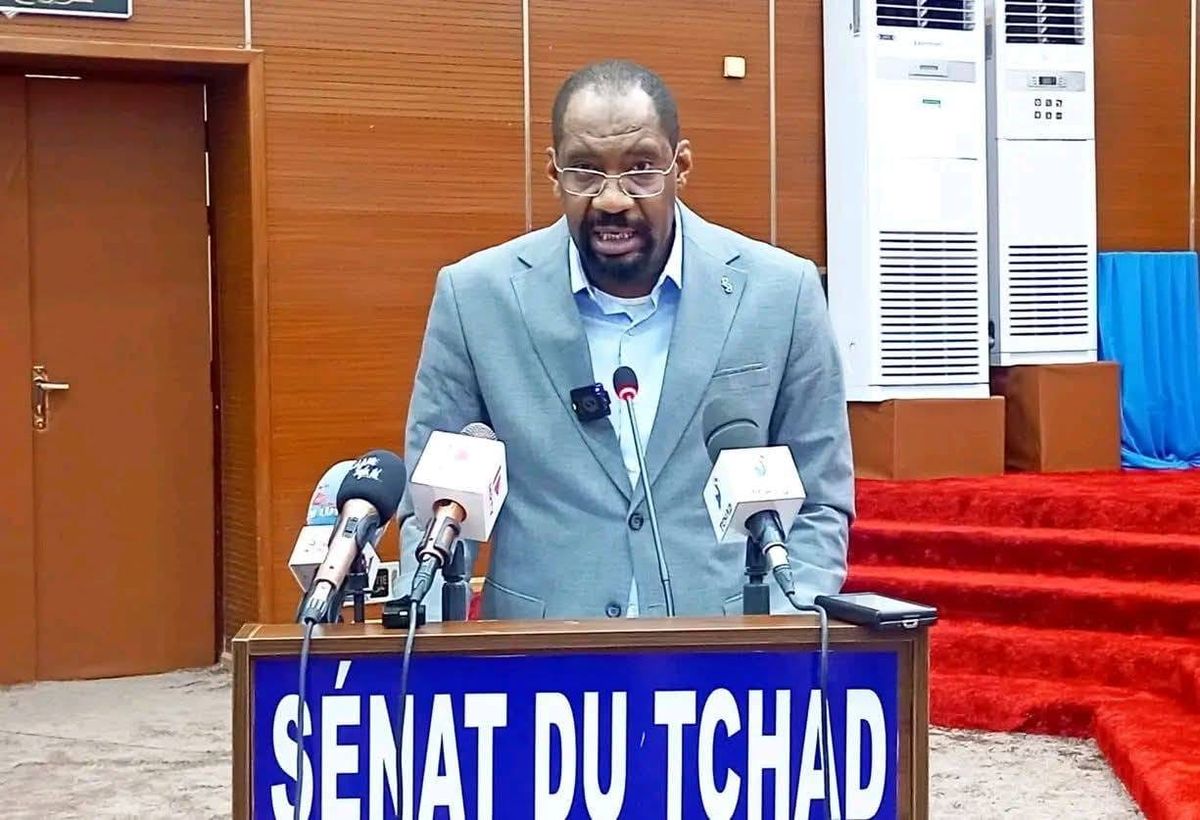
Chad’s security minister calls for collective action against rising intercommunal clashes
Chad’s Minister of Public Security and Immigration has urged all sectors of society to unite in addressing escalating intercommunal violence, emphasizing the need for a comprehensive strategy and sustained engagement.

In a critical parliamentary session chaired by Senate President Dr. Haroun Kabadi, the Upper House dedicated its plenary meeting to the country’s mounting security challenges. The discussions centered on intercommunal violence and internal stability, with senators pressing the government for concrete solutions.
General Ali Ahmat Aghabache, Minister of Public Security and Immigration, presented a detailed assessment of government initiatives aimed at restoring peace and strengthening national cohesion. The exchanges revealed deep concerns about insecurity in several provinces, with senators advocating for stronger state presence in vulnerable areas, enhanced conflict prevention mechanisms, and improved operational capabilities for defense and security forces.
The minister provided a sobering overview of the security situation, sharing official data that highlights the human toll of intercommunal violence. Between 2024 and 2025, these conflicts resulted in 318 fatalities and 3,015 injuries, while also inflicting severe material damage on communities across Chad. He warned that such instability threatens social cohesion, territorial stability, and national development efforts.
In response, the government has launched a multi-faceted plan to bolster public safety and curb rising tensions. Key measures include:
- Intensified patrols in high-risk zones
- Deployment of new mobility assets, particularly motorcycles, to enhance rapid response
- Recruitment of 1,000 additional police officers and 1,000 gendarmes to strengthen nationwide security coverage
The minister emphasized that security must go hand in hand with community dialogue, local mediation, and public awareness campaigns. He stressed that sustainable peace cannot rely solely on security forces but requires the active participation of all stakeholders—administrative, traditional, religious, and civil society leaders.
The plenary underscored Chad’s ongoing security challenges while reaffirming the nation’s commitment to peace, national unity, and citizen safety across the country.