Togo’s growing ties with Russia and Africa Corps amid rising Sahel threats
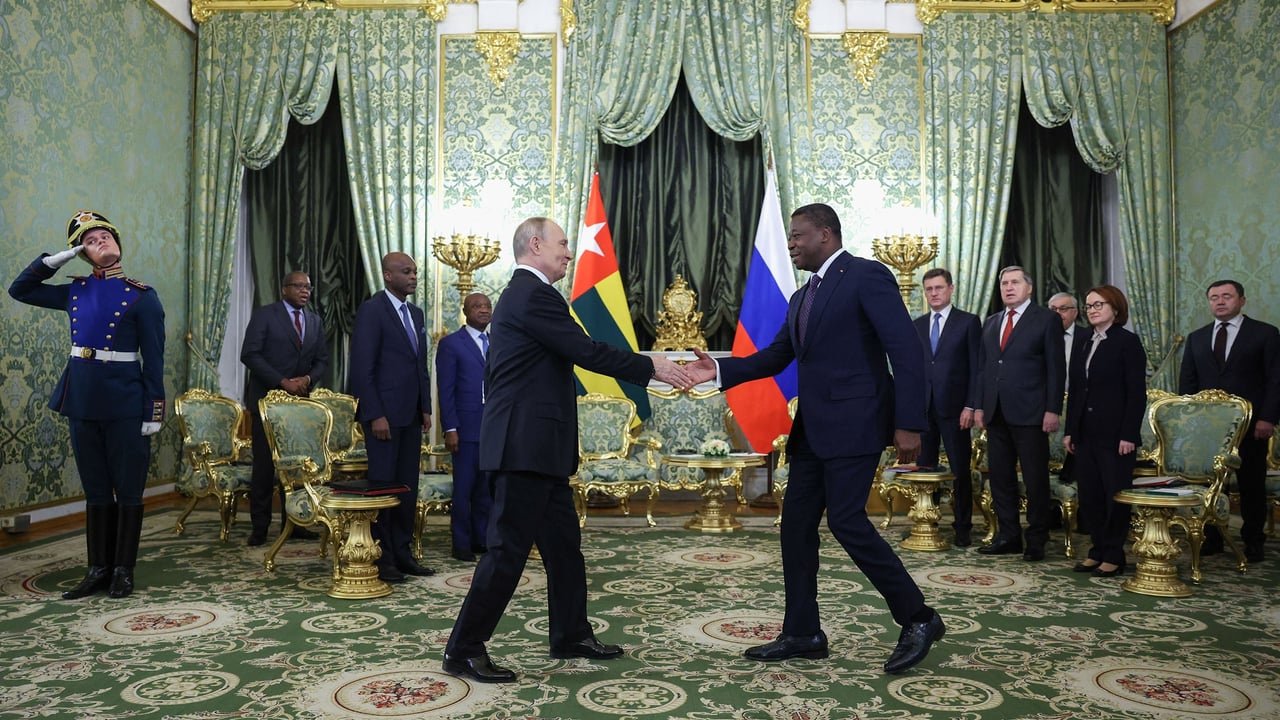
In a strategic shift that has raised eyebrows across West Africa, Togo has quietly expanded its security partnerships in recent years, particularly with Moscow and Ankara. The small coastal nation, long seen as a stable outpost in the region, is now leveraging international alliances to bolster its defenses against jihadist incursions from the Sahel.
Lomé’s calculated outreach to global players
Since 2022, Lomé has actively sought foreign military support, beginning with Ankara. The West African capital secured Turkish backing for aerial surveillance and logistical assistance, tapping into Ankara’s growing influence in the region. This cooperation marked a departure from Togo’s traditional reliance on traditional partners, signaling a new chapter in its security doctrine.
By 2025, the equation shifted further. Reports of Russian advisors and equipment arriving in Lomé confirmed rumors of an emerging partnership with Moscow’s Africa Corps. These developments suggest a calculated move to diversify Togo’s security partnerships, potentially in response to the escalating instability in neighboring Burkina Faso and Niger.
Why Togo is betting on unconventional allies
The timing of these alignments is no coincidence. With jihadist violence spreading closer to its northern borders, Togo has found itself in a precarious position. The country’s northern region, particularly the Savanes region, has seen an uptick in militant activity, prompting Lomé to seek more robust defense mechanisms.
Analysts suggest that Faure Gnassingbé, Togo’s long-serving president, is playing a high-stakes game of geopolitical chess. By welcoming foreign military advisors and equipment, he may be attempting to deter potential threats while also positioning Togo as a key player in regional security. The Africa Corps’ involvement, in particular, could offer rapid deployment capabilities and specialized training that traditional partners have struggled to provide.
The risks behind the alliances
While these partnerships offer tangible security benefits, they are not without controversy. Critics argue that Togo’s growing ties with Moscow and Ankara could alienate traditional Western allies, potentially complicating future aid flows and diplomatic relations. Additionally, the presence of foreign military personnel on Togolese soil raises questions about sovereignty and long-term implications for the country’s autonomy.
There are also concerns about the transparency of these agreements. With little public disclosure, civil society groups and opposition figures are calling for greater clarity on the terms of these partnerships, particularly regarding the scope of foreign military presence and the potential for Togo to become entangled in broader geopolitical conflicts.
What’s next for Togo’s security strategy?
As Togo continues to navigate the complexities of regional instability, its evolving alliances will likely remain under scrutiny. The government has yet to provide detailed explanations for these shifts, leaving many to speculate about the long-term consequences. One thing is clear: Lomé is no longer waiting on the sidelines. Whether these partnerships will yield the desired security dividends—or lead to unintended consequences—remains to be seen.