Togo and Russia’s Africa Corps: secret military ties raise concerns
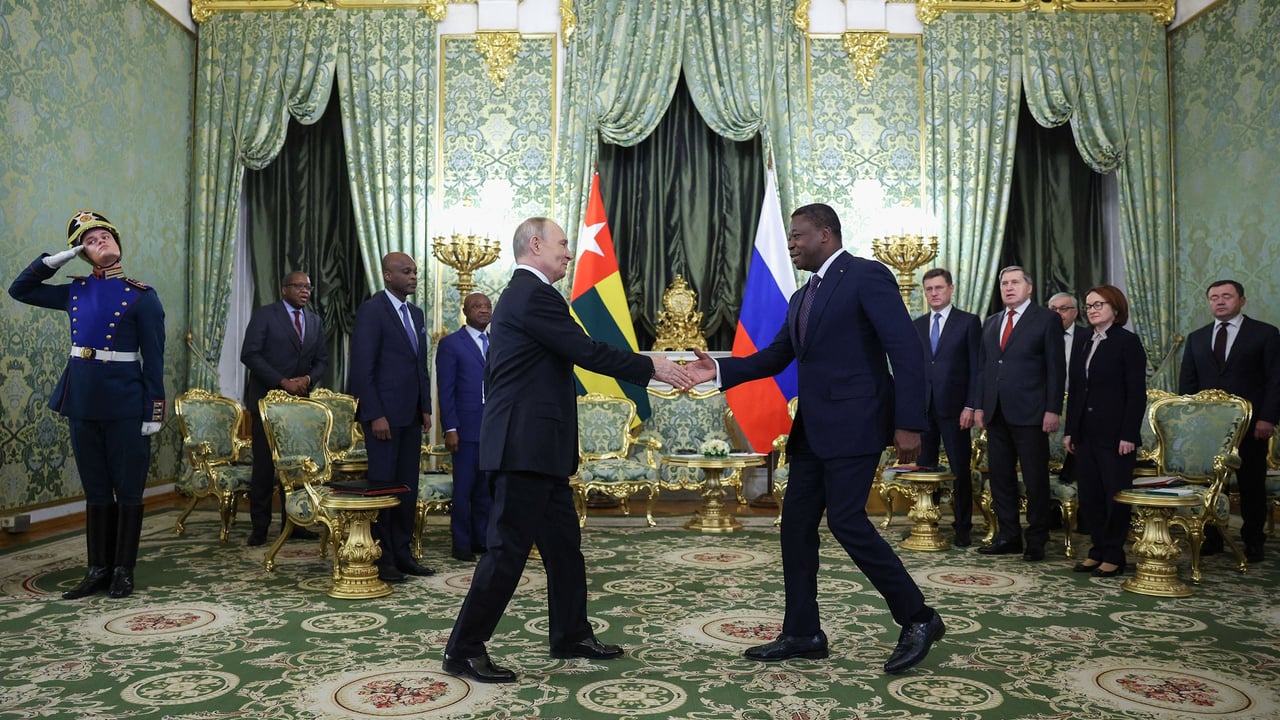
Lomé’s strategic shift: opening doors to new defense partners
The Togo government has quietly reshaped its defense strategy in recent years, pivoting toward unconventional alliances to counter rising jihadist threats across the Sahel. Beyond long-standing partnerships with Western nations, Lomé has turned to Ankara and Moscow, signaling a deliberate recalibration of its security posture.
Turkey’s growing footprint in West Africa
Since 2020, Togo has deepened cooperation with Turkey, securing critical aerial support and military assistance. This collaboration extends beyond logistics, with intelligence-sharing and training initiatives aimed at bolstering the country’s counterterrorism capabilities. Observers note Ankara’s expanding influence in the region, as it positions itself as a key security partner for Sahelian states grappling with insurgencies.
Russia’s Africa Corps makes its presence felt
Another notable development emerged in 2025, when Russia began deploying personnel under the banner of its Africa Corps. While Lomé has not publicly acknowledged the scale of this engagement, diplomatic sources confirm that Russian advisors and trainers have been active in Togo, offering specialized support in counterinsurgency operations. The move reflects Moscow’s broader strategy to expand its military footprint in Africa, often through bilateral agreements that bypass traditional Western channels.
Why Togo’s choices matter for regional stability
The shift in Togo’s alliances comes at a time when the Sahel faces unprecedented security challenges. With jihadist groups exploiting porous borders and weak governance, neighboring countries are increasingly vulnerable. Lomé’s outreach to Ankara and Moscow underscores a pragmatic approach: diversifying partners to fill gaps left by traditional allies. Yet, this realignment also raises questions about long-term implications for regional cohesion and the balance of power.
Balancing act: sovereignty vs. external support
Faure Gnassingbé, Togo’s President since 2005, has navigated this delicate equation with caution. While Western partners remain central to Togo’s development agenda, the government’s willingness to engage with Russia and Turkey reflects a broader trend among West African nations seeking alternatives amid shifting global alliances. The strategy appears designed to ensure Togo retains strategic autonomy while enhancing its defensive capabilities.
What’s next for Togo’s security policy?
As Togo continues to refine its partnerships, the coming months will reveal the depth of its ties with Moscow and Ankara. With jihadist groups intensifying attacks in the Sahel, the government’s decisions could have ripple effects across the subregion. One thing is clear: Lomé is no longer relying solely on its traditional allies to safeguard its future.