Togo’s secret military deals with Russia and Africa Corps exposed
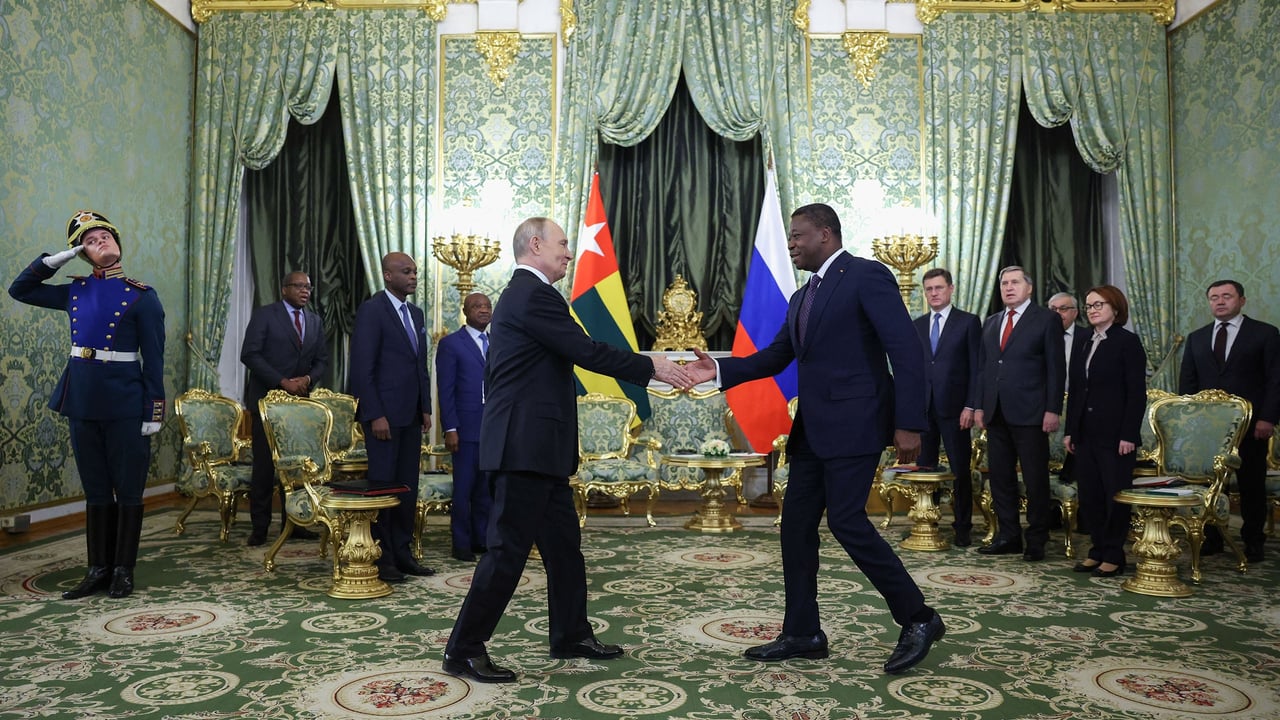
The West African nation of Togo has quietly expanded its security partnerships in recent years, drawing attention for its covert collaborations with foreign military entities. Lomé’s leadership has strategically aligned with Ankara in search of aerial reinforcement, while Moscow’s Africa Corps presence has grown increasingly visible since 2025. These covert agreements signal a shift in the country’s approach to regional jihadist threats.
Insiders confirm that Togo’s government has been quietly negotiating with multiple actors to bolster its defensive capabilities. The move comes as regional instability escalates, with Islamist factions intensifying operations across the Sahel. Officials in Lomé have not publicly acknowledged these deals, but security analysts highlight their significance in shaping the country’s long-term stability strategy.
Lomé’s discreet military alliances
The Togolese government has maintained a low profile regarding its foreign military engagements, yet diplomatic sources reveal ongoing discussions with Ankara since 2023. These talks focus on securing aerial support and logistical assistance to combat cross-border threats. Meanwhile, Moscow’s Africa Corps has also secured a foothold in the country, with observers noting increased military presence and operational coordination.
While the details remain classified, reports indicate that Togo’s defense ministry has been receptive to foreign military advisors. The strategy appears designed to address immediate security concerns while positioning the nation as a key player in regional counterterrorism efforts. The government’s reluctance to disclose specifics has fueled speculation about the scope and nature of these partnerships.
Implications for Togo’s security landscape
Analysts warn that these covert alliances could have far-reaching consequences for Togo’s sovereignty and regional relations. The involvement of external military actors risks altering the delicate balance of power in West Africa, particularly as neighboring nations grapple with similar security challenges. Critics argue that such deals may undermine regional cooperation initiatives, while proponents suggest they provide much-needed resources in the fight against extremist groups.
The government’s decision to engage with multiple foreign military entities reflects a pragmatic approach to an escalating crisis. However, the lack of transparency raises questions about accountability and long-term impact on Togo’s political and military autonomy. As the situation evolves, stakeholders will closely monitor the repercussions of these covert arrangements on the country’s stability and international standing.