
When Shared Promises Fade into Unkept Commitments
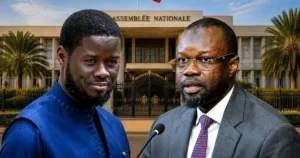
Once united in their commitment to oppose the President’s exit from the High Council of the Judiciary—despite its inclusion in their reform agenda—they now stand divided. Their alliance, forged to block a controversial judicial reform, quickly unraveled when it came to implementing other long-promised changes.
Unfulfilled Reforms and Broken Promises
Campaign promises to abolish the amnesty law remain unmet, leaving citizens questioning the sincerity of their political platform. Even more striking was their failure to act on transparent political funding reforms, despite possessing the parliamentary majority needed to pass such legislation shortly after taking office.
The Silence on Political Funding
Rather than regulating the allocation of political funds as initially pledged, they silently divided the resources among themselves. This inaction occurred even after securing the legislative power required to enforce stricter financial transparency—a reform that could have been implemented with minimal effort.
From Shared Responsibility to Public Displays of Reform
Those who stalled on reforms while aligned with one another now appear eager to champion changes they had ample time to initiate. The National Assembly, a cornerstone of democracy, deserves better than political theatrics driven by personal rifts rather than national progress.
Accountability Over Political Posturing
The public deserves leaders who prioritize governance over grudges. The shared responsibilities of these leaders cannot be erased by a manufactured divide. Instead of using political fractures as an excuse for inaction, they must confront the consequences of their unfulfilled pledges.