
The once-troubled Cameroon-Nigeria trade corridor has undergone a dramatic transformation, marking a decisive turning point for the Far North region. After years of disruptions by Boko Haram, renewed security measures have unlocked a surge in cross-border commerce, breathing new life into local economies on both sides of the border. This momentum is reshaping livelihoods and customs revenues alike, signaling far more than just a return to business as usual.
From conflict to commerce: the corridor reopens
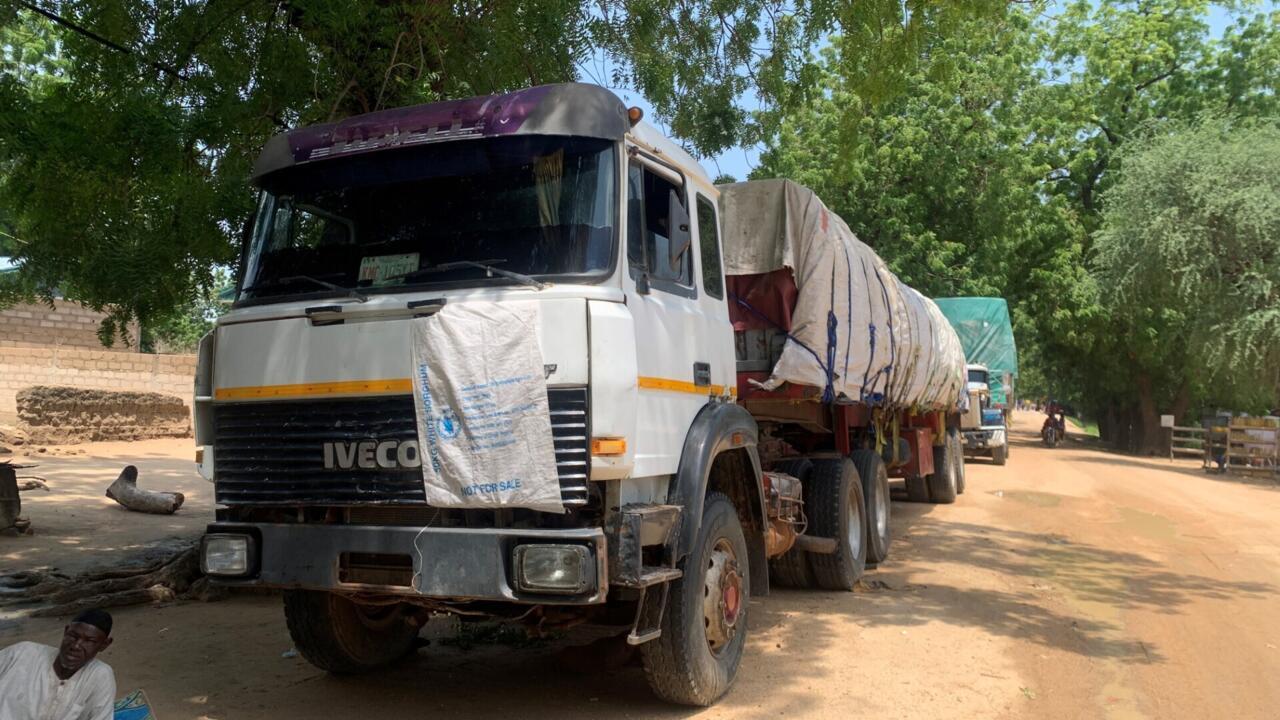
The bustling trade route connecting Northern Nigeria to Cameroon’s Far North region has re-emerged as a vital economic lifeline. Following years of closures due to Boko Haram violence, the border crossing at Kourgui in Cameroon is once again a hive of activity. Traders and transport operators, long accustomed to risk, now navigate this transit artery with newfound confidence.
Aboubacar Mahamed, a Nigerian truck driver ferrying millet from Kano to N’Djamena, recounts the recent change in tone along the route. “From Kano through Maiduguri to Banki, then on to Kourgui, we’ve faced no issues,” he reports. “The security presence from Kourgui to Amchidé and Yagoua is solid—there’s no trouble on the road.”
Yet challenges remain. Aboubacar Mahamed stresses the need for careful timing. “Cameroonian soldiers from the Rapid Intervention Battalion are doing great work, but if a truck breaks down between 6 PM and 7 PM, it’s safer to spend the night in a nearby village or bush,” he advises. “Wait until 6 AM to hit the road again, and aim to park by 5 PM.”
A customs windfall and renewed economic ties
The reopening of the Limani customs post in Cameroon—shuttered in 2014 due to Boko Haram’s brutal incursions—has been pivotal. Located strategically on the Nigerian side of the border, the facility now hums with activity as goods flow freely once more. According to a regional security analyst at the Institute for Security Studies in the Lake Chad Basin, Célestin Delanga, the corridor’s resurgence is transforming cross-border trade dynamics.
“Cameroon exports foodstuffs and livestock to Nigeria, while importing fuel, textiles, electronics, and spare parts,” Delanga explains. “This interplay not only stabilizes regional supply chains but also fortifies economic security. The combination of heightened security and operational customs facilities is restoring confidence in transborder commerce.”
The numbers tell a compelling story. Customs revenues for the first nine months of 2026 have surged to 741 billion CFA francs—up from just 1 billion in 2023. This fiscal rebound reflects the sheer volume of goods now traversing the corridor daily.
Lifeline for a region battling climate adversity
For communities in the Far North, struggling with alternating floods and droughts, cross-border trade has become a lifeline. As Delanga notes, “Two years ago, devastating floods destroyed crops and livelihoods. This year, drought has crippled the rainy season. Transborder commerce is proving to be a vital safety net in times of adversity.”
Key trade flows shaping the recovery
- Cameroon’s exports: Food crops, livestock (especially poultry and cattle), and grains
- Nigeria’s exports: Fuel, textiles, electronics, and automotive parts
- Emerging trade hubs: Kourgui, Amchidé, and Yagoua are now critical transit points, stabilizing supply chains across three countries: Cameroon, Nigeria, and Chad
- Growth sectors: Informal cross-border markets, small-scale agriculture, and transport services
What’s next for the Cameroon-Nigeria trade corridor?
With the security apparatus strengthening and customs infrastructure operating at full capacity, the stage is set for continued growth. The corridor’s revival is not just an economic breakthrough—it’s a testament to resilience, cooperation, and the power of sustainable trade to rebuild communities torn apart by conflict and climate shocks.
As Aboubacar Mahamed and countless others like him navigate this re-emerged corridor daily, one thing is clear: the Cameroon-Nigeria trade route has turned a decisive corner—not just towards recovery, but towards a new era of shared prosperity.