Constitutional reform in DRC: what Grâcе Kutino’s statements reveal
Grâcе Kutino’s Bold Stance on Constitutional Reform
As the Democratic Republic of the Congo (DRC) navigates a pivotal moment in its political history, Minister Grâcе Kutino’s recent declarations have sparked intense debate. Her unequivocal support for constitutional reform has positioned her at the heart of a contentious national dialogue. But does her rhetoric align with the government’s official position—or does it signal a deeper shift in policy?
Minister Kutino’s Vision for Change
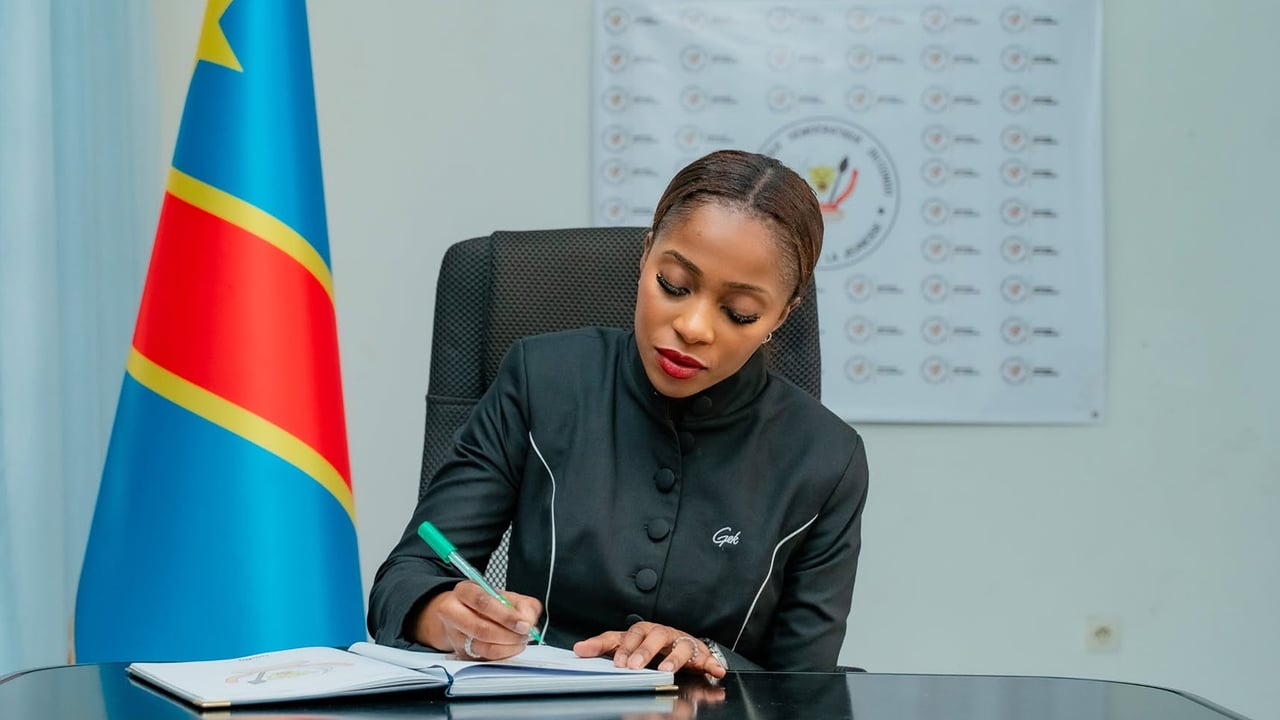
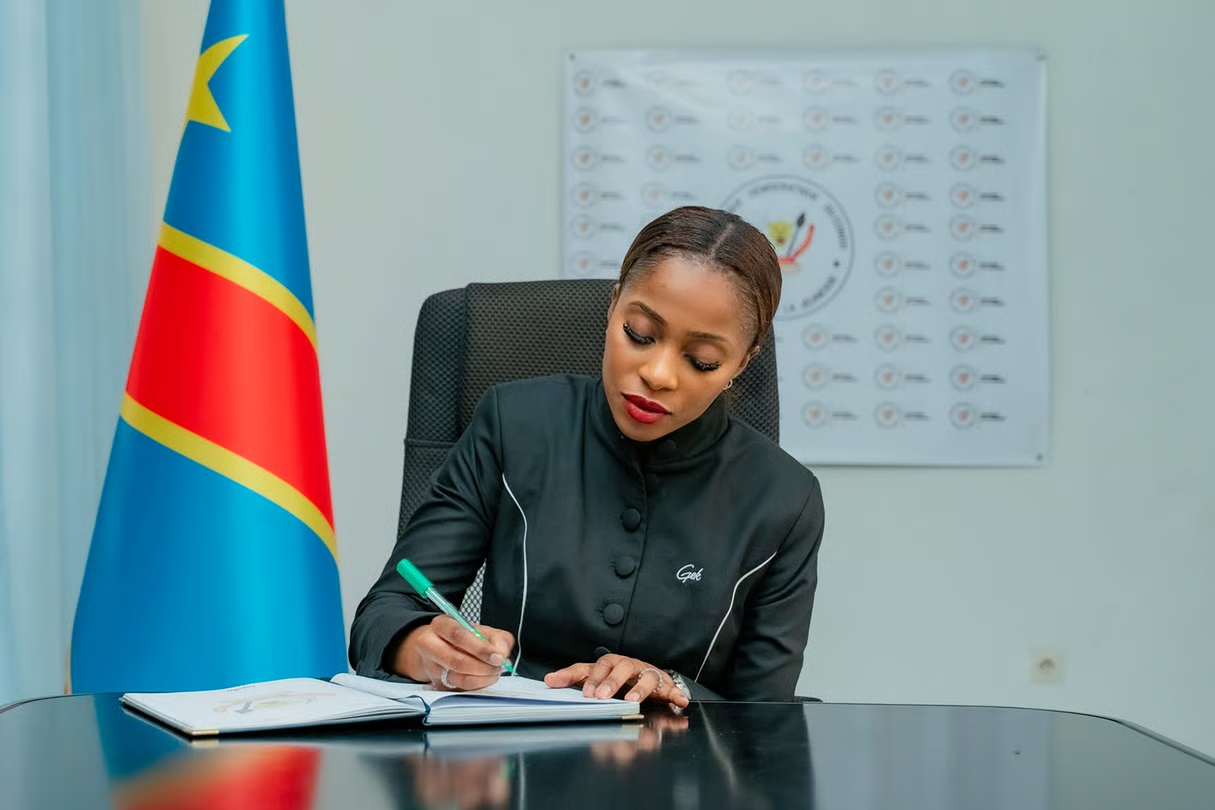
In a rare public address from her office at the Ministry of Youth and Patriotic Awakening, Grâcе Kutino made waves with her unambiguous endorsement of constitutional amendments. Speaking with conviction, she framed the proposed changes as essential for modernizing the nation’s legal framework and strengthening democratic institutions. “A constitution must evolve with the needs of its people,” she asserted, underscoring the urgency of reform.
The minister’s remarks come amid mounting pressure from civil society and political factions advocating for adjustments to the 2006 constitution. While some view these changes as necessary for progress, critics warn of potential risks to stability and power consolidation. Kutino’s stance appears to bridge these divides, positioning her as a key voice in the conversation.
Aligning with Presidential Priorities?
The timing of Kutino’s statements raises questions about their connection to broader government strategies. President Félix Tshisekedi has long emphasized the need for constitutional updates to reflect contemporary realities. Observers are now scrutinizing whether her public remarks reflect a coordinated effort—or an independent initiative that could shape the administration’s trajectory.
Her alignment with the president’s agenda could reinforce the reform movement, but it also risks amplifying existing tensions. Political analysts note that Kutino’s influence within the government lends weight to her position, making her statements a focal point for both supporters and detractors of constitutional change.
Public Reaction and Political Fallout
The minister’s declarations have galvanized public opinion, with reactions ranging from cautious optimism to outright skepticism. Social media platforms are abuzz with debates over the implications of reform, while opposition figures have accused the government of pursuing hidden agendas. Meanwhile, youth organizations have rallied behind Kutino, praising her for championing a cause they see as long overdue.
The controversy surrounding her comments underscores the delicate balance between reform and stability in the DRC. As the nation weighs the merits of constitutional amendments, Kutino’s role in the discourse remains a defining factor in the unfolding political landscape.