
Key challenges
How can Cotonou’s street food vendors maintain their livelihoods near the port area while ensuring safety and hygiene for both sellers and customers?
Initiative spotlight
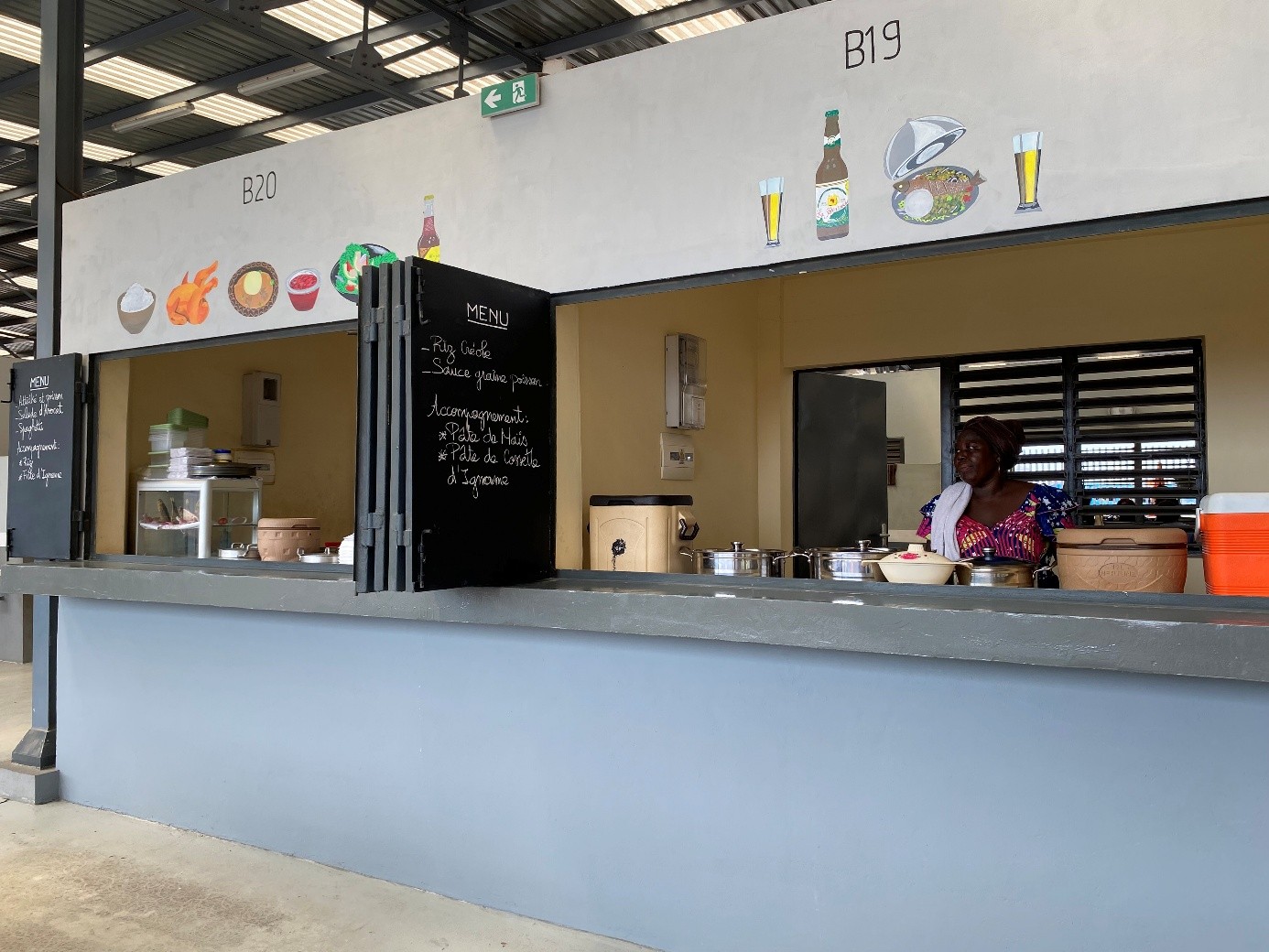
Recognizing the unsafe working conditions and poor hygiene standards of food vendors along the port’s access roads, the Port Autonome de Cotonou (PAC) initiated a structured dialogue with stakeholders. The outcome was the construction of modern, weatherproof stalls equipped with running water and electricity. This initiative underscores the port’s commitment to social and environmental responsibility for surrounding communities.
Success story
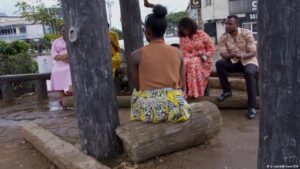
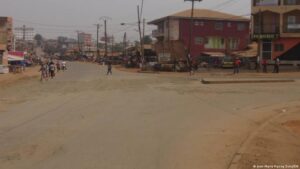
Committed to sustainable development, the Port Autonome de Cotonou has long invested in social and environmental programs for local populations. In 2024, the port unveiled a 3,000m² covered food court featuring 98 vendor stalls with built-in kitchens, water access, and electricity. Previously, these vendors operated along the roadside with no protection from traffic or weather, unable to cook on-site or store goods safely. Today, they work in clean, modern facilities that meet high hygiene standards, serving port employees and nearby residents while securing their income.
The project, costing over 600 million FCFA, involved extensive stakeholder consultations. Beyond improving working conditions and financial stability for vendors—thanks to increased foot traffic—the new location has fostered a more inclusive community space, attracting diverse customers including executives and dockworkers. Early data indicates a 20% rise in sales, and ongoing assessments aim to quantify reductions in waste and safety incidents.
Behind the scenes

Related Posts