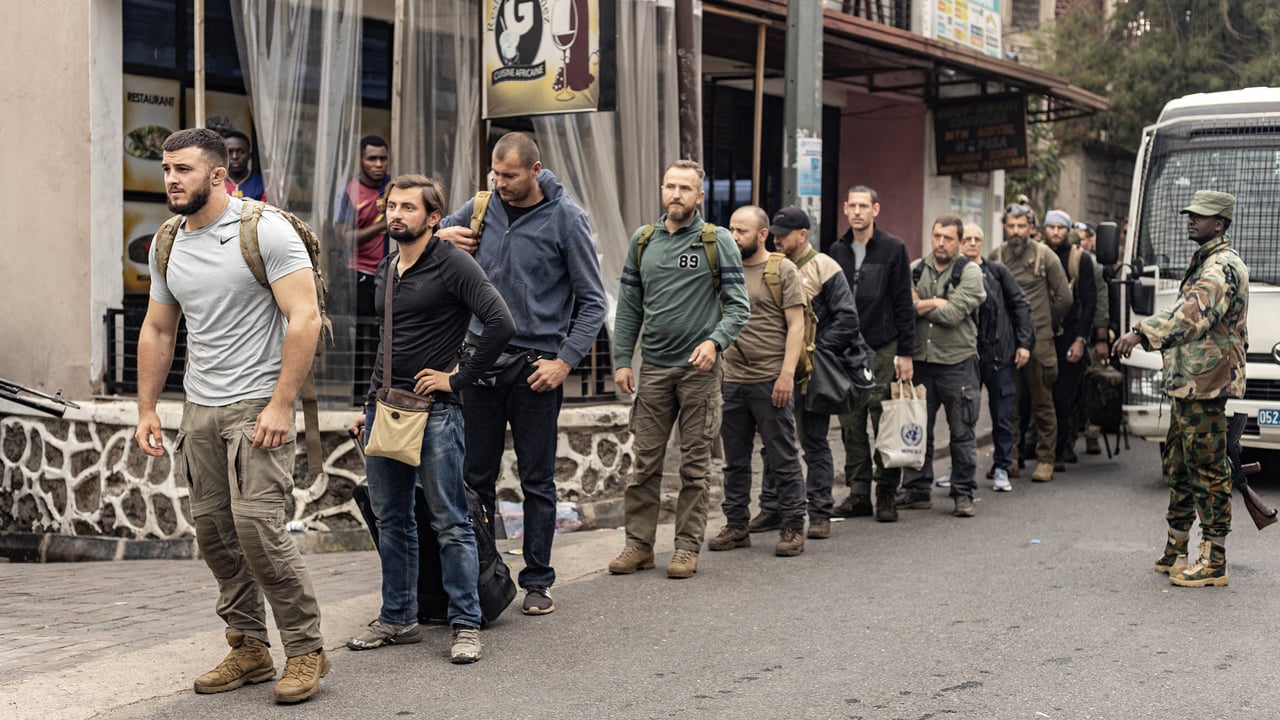

The rapid advance of the M23 armed group toward Goma, the strategic capital of North Kivu province in Democratic Republic of Congo, in early 2025 prompted Kinshasa to mobilize a last-ditch defensive alliance. This crisis response involved both domestic military partners and international support, marking a significant shift in the country’s conflict management strategy.
An in-depth investigation titled “Violence for Sale”, conducted by the Global Initiative Against Transnational Organized Crime, reveals how President Félix Tshisekedi leveraged external military resources to bolster the Democratic Republic of Congo’s counter-insurgency operations against the M23 movement.
the strategic alliance behind Congo’s security push
The Congolese government’s approach to defending Goma represented a departure from traditional military strategies. Rather than relying solely on domestic forces, Kinshasa negotiated a coalition of local and foreign military partners to create a more robust defensive framework.
This multi-layered defense strategy included:
- Regional military cooperation with neighboring countries to prevent cross-border support for armed groups
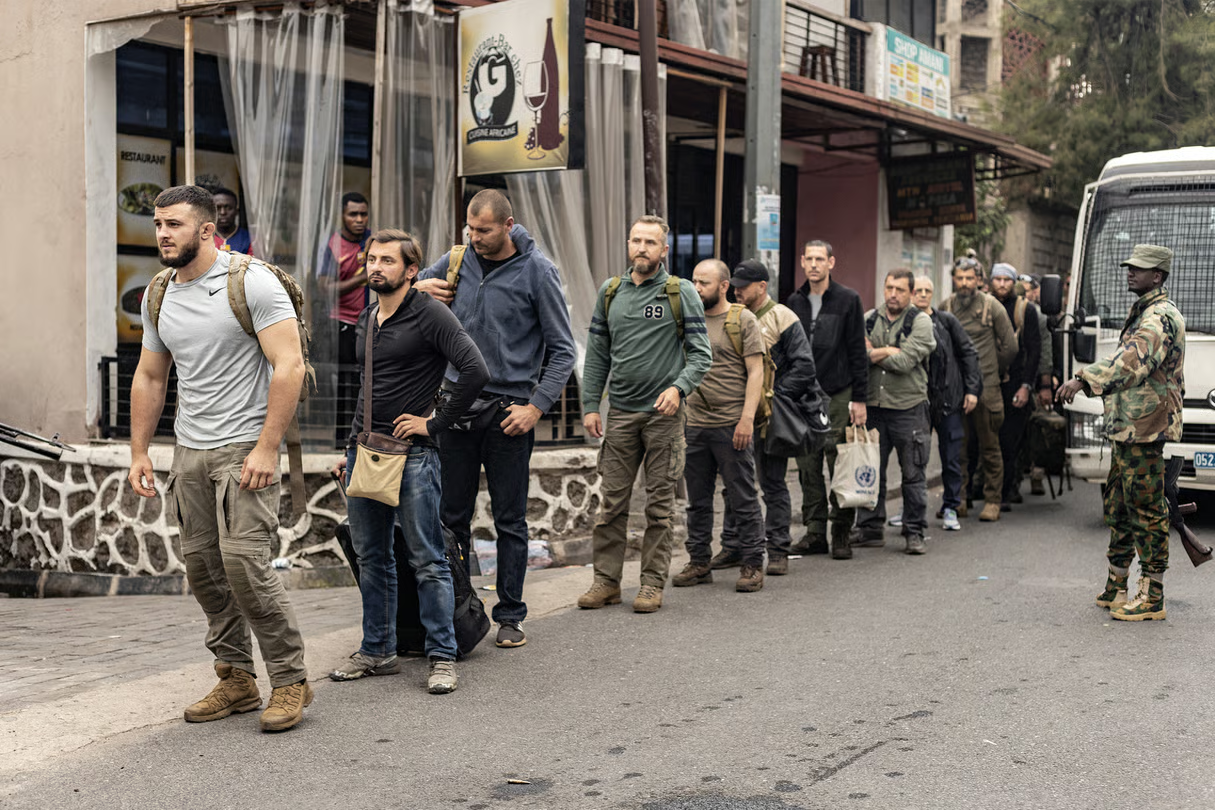
- International mercenary involvement, including specialized units from allied nations
- Enhanced intelligence-sharing networks with regional security partners
international actors in Congo’s security operations
The investigation highlights the presence of foreign military personnel operating alongside Congolese forces. According to the report, some of these external units were contracted specifically to address the M23 threat, particularly as the group’s offensive threatened critical infrastructure around Goma.
The involvement of these international actors reflects a growing trend in African conflict resolution, where nations increasingly seek external support to address complex security challenges that exceed their domestic capabilities.
the political implications of outsourcing military operations
President Tshisekedi’s decision to incorporate foreign military elements into the fight against M23 carries significant political ramifications. While it provided immediate military advantages, questions remain about:
- The long-term sustainability of such partnerships
- The legal frameworks governing foreign military operations on Congolese soil
- The potential impact on regional diplomatic relations
The investigation suggests that this strategy may have been a pragmatic response to an existential threat, but its broader consequences for Congolese sovereignty and regional stability require careful examination.
looking ahead: Congo’s security landscape
As the Democratic Republic of Congo continues to navigate complex security challenges, the lessons from this episode may shape future military strategies. The balance between domestic capabilities and international support will likely remain a central consideration in Kinshasa’s approach to maintaining national security.
The M23 crisis and its resolution through this unconventional military partnership may serve as a case study for other nations facing similar threats, demonstrating both the potential benefits and inherent risks of outsourcing national defense operations.