
Gabon’s human capital leap: 400 youth power the next economic surge
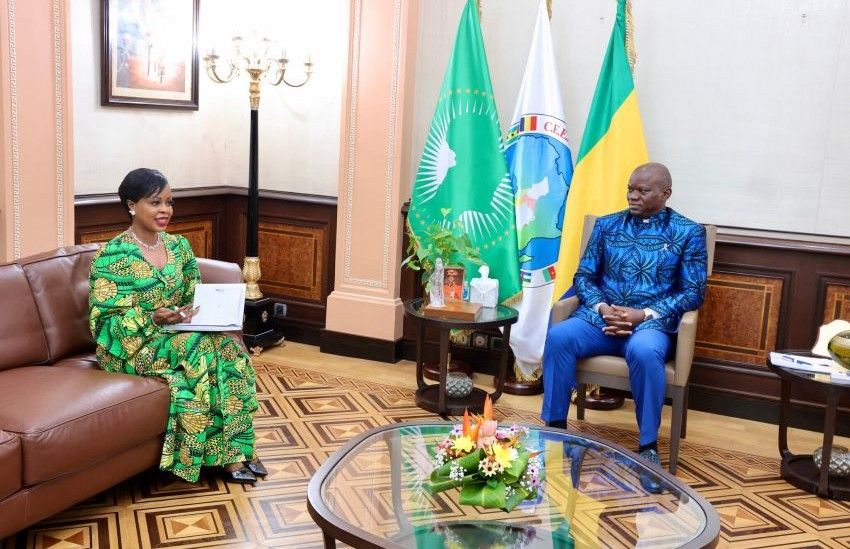
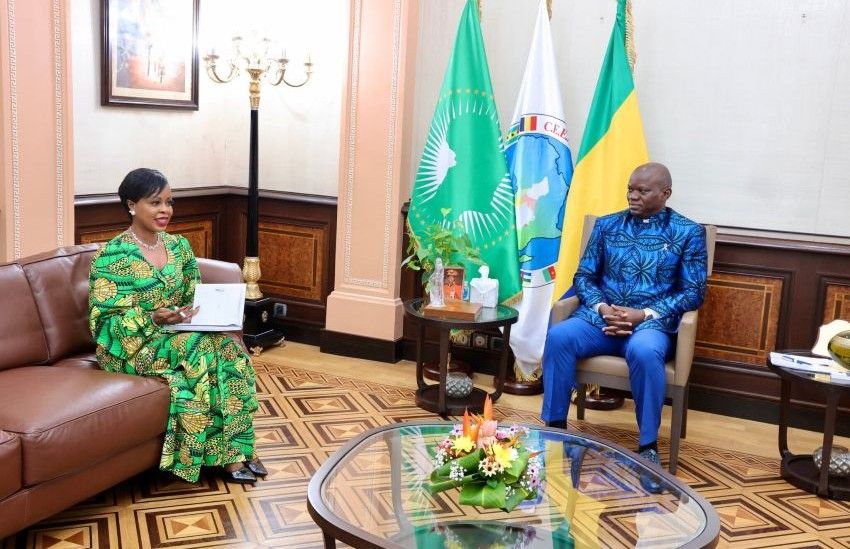
Libreville, October 4, 2026 — Gabon has just crossed a critical threshold in its economic evolution. No longer content to bank solely on natural resources, the nation is now placing its people at the heart of growth. The decisive move came on October 2, when President Brice Clotaire Oligui Nguema welcomed Minister of Commerce, SMEs, and SMIs Zenaba Gninga Chaning. Her mission: unveil a sweeping initiative to train 400 young Gabonese in Libreville—a pilot that will soon extend to all nine provinces.
The timing is no accident. With oil prices fluctuating and global demand shifting, Gabon is urgently diversifying its economy. Yet behind every industrial project, every infrastructure, every supply chain, lies a hidden force: human skill. Without technicians, engineers, entrepreneurs, and managers, even the most ambitious plans risk stalling.
From Classroom to Career: A Skills Revolution in Action
The bold new approach doesn’t just issue diplomas—it builds careers. The 400 trainees aren’t being prepared for abstract certification. They’re being equipped for real-world success: jobs that pay, businesses that grow, and value chains that strengthen.
The training focus? Technical, applied skills that match actual market needs. Ministers emphasize that this initiative is about more than education—it’s about integration. From day one, participants receive hands-on guidance: mentoring, financing opportunities, and post-training support to help them launch or scale ventures.
The government’s stated goal is clear: reduce youth unemployment, boost local entrepreneurship, and keep wealth within Gabon’s borders. Half the equation is training. The other half? Ensuring every skill converts into economic power.
A Strategic Shift: Why Skills Are the New Infrastructure
Gabon’s move marks a quiet revolution. For decades, the nation’s infrastructure—roads, ports, power plants—has driven growth. Now, officials are framing human capital as an equally vital infrastructure: the people who design, build, operate, and innovate.
Consider the oil sector. At Port-Gentil, President Oligui Nguema recently underscored the need for stronger technical training in petroleum, gas, and energy sciences. Even with investment flowing, the country’s long-term success depends on having Gabonese experts running the show—not foreign consultants.
The same logic applies across every promising sector: mining, agriculture, digital services, infrastructure. Without skilled workers, investments are incomplete. With them, Gabon gains a sustainable edge.
From Pilot Project to National Impact
The 400 initial beneficiaries aren’t an endpoint—they’re the beginning. Next comes expansion to all provinces, each shaped by local economic realities. A mining zone needs different skills than a tech hub. Coastal cities require different expertise than rural centers.
Success won’t be measured merely by numbers trained, but by tangible outcomes: how many secure jobs? How many launch enterprises? How many Gabonese-owned firms expand? How much new wealth stays local? These are the real benchmarks of transformation.
Measuring What Matters: The Road Ahead
Gabon’s leaders acknowledge the challenge: turning training into prosperity is harder than laying asphalt or erecting buildings. But the nation has made its choice. By investing in its people first, Gabon is betting on a model where growth is not just imported—it’s built at home.
The 400 youth are just the vanguard. Their real legacy? Proving that Gabon’s greatest infrastructure asset is not steel or oil—but its people.