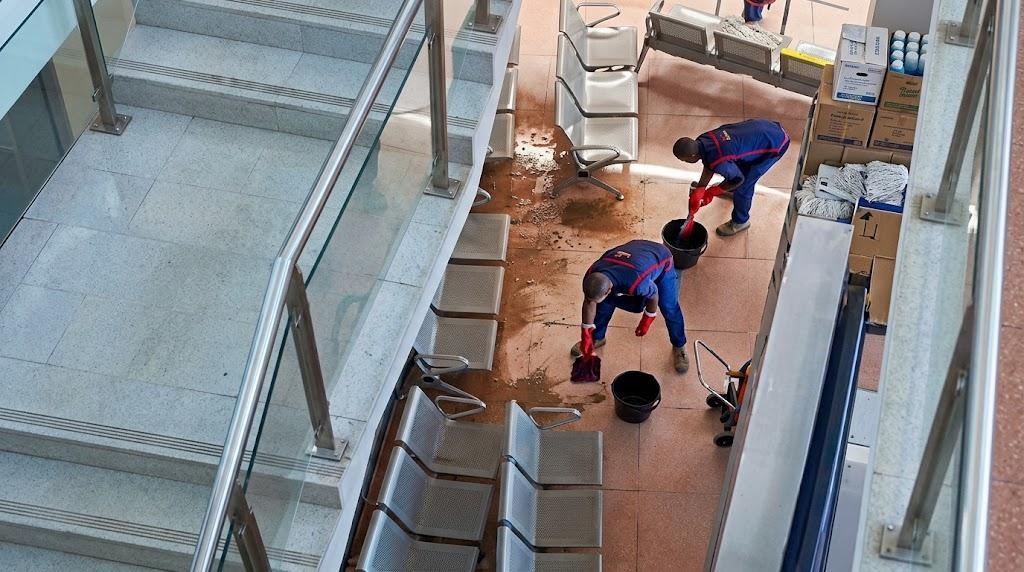

From routine transit to nightmare: a sewage disaster paralyses Lomé airport
The heart of Togo’s aviation network, Lomé’s Gnassingbé Eyadéma International Airport, abruptly shifted from an ordinary afternoon to a full-blown catastrophe. A cataclysmic rupture in the terminal’s sewer system unleashed a deluge of untreated waste, triggering a chain reaction of panic, health threats, and operational paralysis that sent shockwaves across West Africa’s skies.
Catastrophic failure: the moment a decayed pipe exploded under pressure
Investigations point to a decades-old master sewage pipe as the source of the disaster. Running through the ceiling of the central hall, this corroded conduit, long starved of proper maintenance, finally gave way under the combined weight of decomposing gases and hydraulic overload. The explosion not only tore through structural ceiling panels but also triggered an immediate health emergency as fecal matter and toxic effluents rained down on unsuspecting passengers below.
Human toll: dignity stripped in an instant
The emotional and physical impact on travelers has been devastating. Families heading to Europe, business executives, and tourists en route to regional destinations were suddenly engulfed in a flood of filth. Accounts describe scenes of horror as people scrambled for cover, their clothes and personal belongings ruined within moments.
One European traveler recounted her ordeal: « We were waiting for our Paris flight when the ceiling erupted above us. A black, noxious wave swallowed everything. I had sewage in my eyes, on my face, everywhere. The trauma is unbearable. »
Rising health risks and operational collapse
What began as an isolated incident rapidly escalated into a national medical crisis. Stagnant waste in the enclosed, climate-controlled terminal created an ideal breeding ground for dangerous pathogens like Escherichia coli, cholera, and typhoid. Emergency response teams battled to contain the spread, but under-equipped and overwhelmed, they could only watch as the contamination spread through ventilation systems.
Meanwhile, the water damage sparked electrical failures, crippling the airport’s critical systems—security checkpoints, flight information displays, and baggage handling. With no functioning infrastructure, authorities had no choice but to shut down operations entirely, redirecting all flights to nearby airports in Cotonou and Accra. The decision thrust the West African air network into disarray.
Unanswered warnings: a ticking time bomb ignored
As clean-up crews donned protective gear to pump out thousands of liters of effluent, mounting questions turned toward the airport’s leadership. Insiders report that repeated alerts about the deteriorating sewage infrastructure and failing pumps had been submitted to management over recent months—only to be disregarded due to budget constraints and poor oversight.
Now, international airlines are preparing legal action while foreign embassies, particularly from countries whose nationals were directly affected, are demanding urgent accountability. The reputational damage to Togo is severe, tarnishing its image as a stable and modern transit hub.
From modern gateway to cautionary tale
The tragedy has laid bare systemic failures in public infrastructure maintenance. Once a symbol of national progress, Lomé Airport now stands as a stark reminder of what happens when neglect meets critical systems failure. The government faces not only the immediate challenge of recovery but a growing demand for transparency, reparations, and decisive action to restore both public trust and passenger safety.
Next steps: decontamination, accountability, and recovery
With the airport temporarily closed, priorities have shifted to full-scale decontamination, structural repair, and a comprehensive audit of all critical systems. Authorities are under immense pressure to implement sweeping reforms, including upgraded training for maintenance teams, stricter oversight protocols, and transparent communication with affected passengers and airlines.
The path forward demands more than cleanup—it requires a fundamental shift in infrastructure governance. Only then can Lomé hope to rebuild its reputation and restore confidence in one of West Africa’s key aviation gateways.