
Behind the 4.54-point decline in Mali’s community reform implementation rate—from 80.06% in 2024 to 75.52% in 2025—lies a complex web of institutional, economic, and geopolitical tensions. While the drop may appear modest at first glance, its implications for investor confidence and regional financial stability are anything but minor, particularly as the country seeks to maintain access to critical funding in the UEMOA market.
The numbers don’t lie, but what do they really mean?
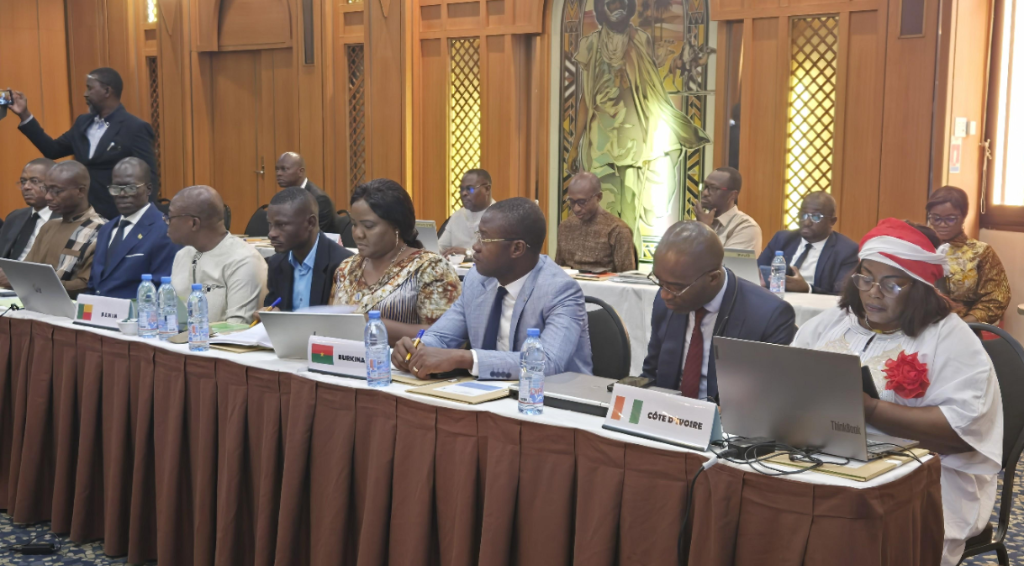
During the 12th annual review of UEMOA’s community reforms held in Bamako in November 2026, Mali’s performance was marked by a 4.54-point reduction, signaling a broader trend that extends beyond simple statistics. The decline reflects not just a technical setback but a potential erosion of trust in the country’s institutional capacity to uphold its regional commitments. While Mali’s fiscal solvency remains intact, the question now turns to whether this slowdown is a temporary hiccup or an early warning of deeper structural vulnerabilities.
Root causes: why reforms are falling behind
The slowdown can be attributed to three interconnected factors, each compounding the other:
- Institutional realignment: Since the formation of the Alliance of Sahel States (AES), Mali’s relationship with key regional bodies—including UEMOA—has undergone significant shifts. These realignments have disrupted traditional coordination channels, making it harder to align national policies with regional reform agendas.
- Administrative bottlenecks: Implementing reforms requires more than political will—it demands streamlined regulatory frameworks, skilled personnel, and inter-ministerial collaboration. Recent administrative hurdles, including delays in policy rollouts and resource constraints, have stalled progress.
- Security and budget priorities: With defense and security expenditures consuming a larger share of public funds, Mali’s ability to invest in long-term structural reforms has been constrained. This fiscal squeeze limits the government’s maneuverability, particularly in areas like infrastructure, education, and healthcare.
While tensions with regional blocs are often cited as the primary culprit, this narrative oversimplifies the issue. A closer examination reveals that the drop in reform performance stems from a combination of internal administrative challenges and external geopolitical shifts—neither of which can be addressed in isolation.
Market reactions: when reform slowdowns raise red flags
The UEMOA financial market, where Mali regularly issues sovereign bonds and Treasury bills to fund its budget, is particularly sensitive to shifts in reform credibility. Investors don’t just chase yields—they assess risk through the lens of governance quality, policy predictability, and the reliability of national commitments.
If Mali’s reform slowdown persists, it could trigger a reassessment of its risk profile. Investors may demand higher returns to offset perceived instability, driving up the cost of public borrowing. This would not only strain the national budget but could also limit access to critical financing for essential services and development projects.
Yet, the situation is nuanced. While investor caution is understandable, Mali’s funding challenges also hinge on broader market dynamics, including regional liquidity conditions and competing demand from other UEMOA member states.
Debt sustainability at risk: the cost of delayed reforms
For 2026, Mali aims to raise 1.45 trillion FCFA (approximately $2.4 billion) on the UEMOA market—a figure nearly 22% higher than the 1.19 trillion FCFA secured in 2025. This ambitious target underscores the country’s heavy reliance on regional financial markets for public funding.
However, if investor sentiment weakens further, two key risks emerge:
- Higher borrowing costs: If risk perceptions rise, Mali may face steeper interest rates, making debt servicing more expensive and diverting funds from critical social programs.
- Lower subscription demand: A lack of appetite among investors could leave the government struggling to meet its funding goals, creating cash-flow imbalances and delaying budget execution.
Commercial banks, the primary subscribers to Mali’s sovereign debt, may also face heightened exposure, further tightening liquidity across the financial sector.
The path forward: balancing reform and regional integration
Mali’s membership in UEMOA provides a vital framework for economic integration, a shared currency, and access to regional financing. But reaping these benefits requires more than participation—it demands tangible progress in reform implementation.
The 12th annual review must serve as a turning point. By identifying gaps, strengthening inter-ministerial coordination, and setting clear timelines for overdue reforms, Mali can begin rebuilding trust. The stakes are high: restoring investor confidence is not merely about reversing a 4.54-point decline—it’s about safeguarding the country’s long-term economic stability.
In the UEMOA market, trust is not granted—it is earned through consistent action, transparent policymaking, and a commitment to regional obligations. For Mali, the time to act is now.