
Mali’s press freedom under siege as journalist faces judicial summons
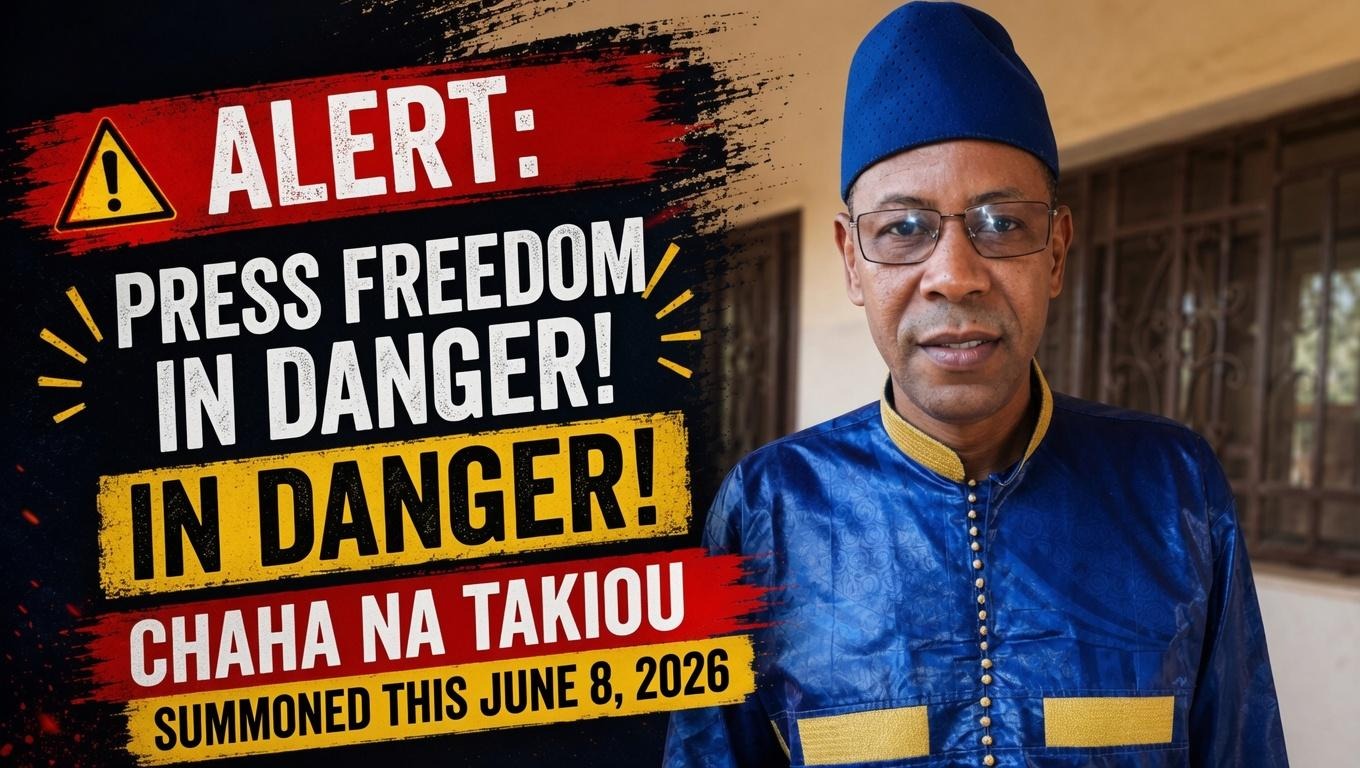
Chahana Takiou summoned by Malian cybercrime prosecutors
The director of the independent weekly Le 22 Septembre, Chahana Takiou, has been ordered to appear before the cybercrime prosecutor in Bamako on June 8, 2026. The summons follows a series of outspoken public critiques he leveled at the country’s military leadership, highlighting alleged failures in governance, security, and economic policy during the transitional period.
Cybercrime courts weaponized against dissent
In Mali, the cybercrime division has increasingly become a tool of repression, masquerading as a guardian of online integrity while being used to silence journalists and critics. Takiou’s case is emblematic of this disturbing trend. His journalistic duty to scrutinize power has now placed him in the crosshairs of a judicial system that shows little tolerance for independent inquiry. The timing and nature of the summons suggest a deliberate campaign to intimidate those who challenge the official narrative.
Shrinking space for free expression in Mali
Once celebrated as a bastion of democratic values in West Africa, Mali’s media landscape now operates under suffocating constraints. Journalists face relentless pressure to conform, with any deviation from the state’s line met with punitive measures. The High Authority for Communication (HAC) frequently issues warnings, suspends outlets, and imposes financial penalties, all while the climate of fear drives self-censorship across newsrooms. What was once a vibrant public sphere has been reduced to a fragile echo chamber, where dissent is equated with subversion.
Systematic repression beyond legal channels
The crackdown extends beyond formal judicial processes. Reports have surged of abductions and enforced disappearances, with citizens—especially critics and activists—being seized by unidentified armed groups linked to state security services. These tactics are designed to instill terror, ensuring that voices of opposition vanish without trace. The message is unmistakable: resistance will be met with force, and silence is the only guarantee of safety.
A press corps under siege
In response to Takiou’s summons, media organizations across Mali have rallied to condemn the move, emphasizing the vital role of investigative journalism in times of crisis. Yet, their solidarity is tested against an increasingly militarized state apparatus that dismisses criticism as sedition. Trade unions argue that constructive dissent is not only a democratic right but a national necessity—especially in a nation grappling with profound security and humanitarian challenges. However, the current leadership equates accountability with treason, shutting the door on any meaningful dialogue.
The cost of silencing truth in Mali
Chahana Takiou’s judicial ordeal is more than an isolated incident; it signals a dangerous escalation in Mali’s authoritarian drift. By targeting a respected voice in the press, the transitional authorities have made their stance clear: no alternative narrative will be permitted. This enforced conformity, achieved through intimidation and legal coercion, deepens national divisions and undermines Mali’s stability. As the country confronts urgent security and economic crises, the suppression of truth only exacerbates its challenges. The future of independent journalism and civic freedoms in Mali now hangs in the balance—decided not in the court of public opinion, but within the shadowy corridors of Bamako’s judicial system.