Morocco tightens rules on electric scooters and passports
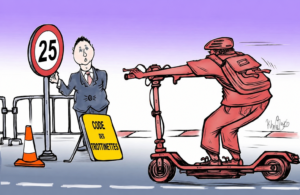
The Moroccan government has taken decisive steps to regulate two critical areas: the enhancement of national security through advanced biometric passports and the oversight of electric scooters to bolster road safety. This dual initiative reflects a commitment to modernizing infrastructure while adapting to evolving urban mobility trends.
Stronger biometric passports to combat fraud
During its weekly session in Rabat, the Council of Ministers approved a decree updating the 2008 framework governing biometric passports. This revision introduces cutting-edge security features designed to fortify protection against fraud and forgery, ensuring the integrity of Moroccan travel documents.
The new passport, developed under the guidance of the Minister of Interior, Abdelouafi Laftit, will incorporate advanced biometric identifiers. A joint ministerial order from the Interior and Foreign Affairs ministries will outline the issuance process, though existing passports will remain valid until phased replacements are completed.
Electric scooters face strict new regulations
In parallel, the government has moved to regulate the rapidly growing use of electric scooters, a mode of transport that has surged in popularity across Moroccan cities. The updated decree amends the Highway Code to impose clear guidelines for riders, emphasizing safety and public order.
The key provisions include:
- A strict speed limit of 25 km/h for electric scooters on public roads to minimize collision risks.
- A mandatory helmet requirement for all users, with enforcement to ensure compliance.
- A ban on headphones or audio devices while riding, aimed at preventing distractions and enhancing situational awareness.
- A prohibition on children under eight years old operating scooters on public pathways.
- Specialized equipment requirements for transporting young children safely.
These measures are part of a broader strategy to integrate alternative mobility solutions into urban landscapes without compromising safety. The government underscores the importance of balancing innovation with public welfare, ensuring that new forms of transport coexist harmoniously with traditional road users.
Adapting to a changing mobility landscape
Morocco’s urban centers are witnessing a rapid shift toward shared and micro-mobility solutions. By establishing a robust regulatory framework, authorities aim to curb reckless behavior while fostering a culture of responsible mobility. The reforms are expected to reduce accidents and streamline the coexistence of pedestrians, cyclists, and scooter riders in bustling city streets.