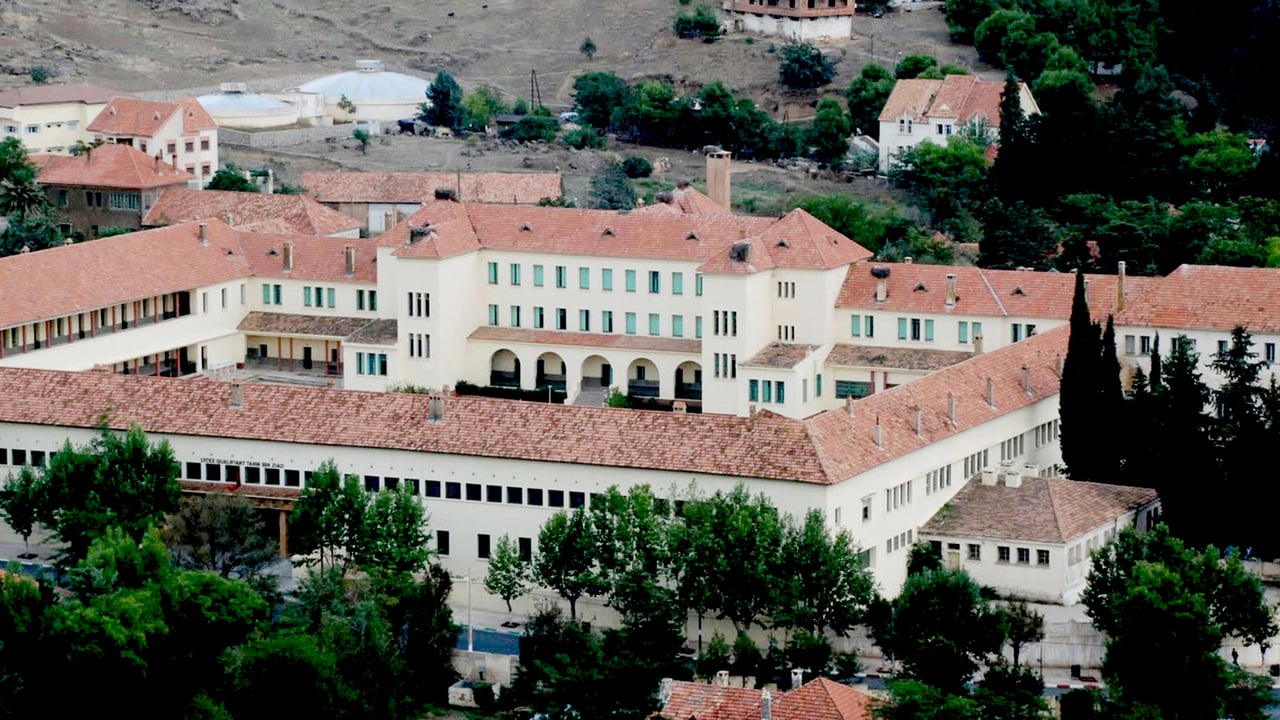

Nestled in the heart of Morocco’s Middle Atlas, the town of Azrou became home to an institution that would leave an indelible mark on the nation’s history. Founded during the French Protectorate era, the Collège Berbère d’Azrou was designed to cultivate a specific vision of leadership—one that aligned with colonial ambitions. Yet, as history unfolded, this academic hub evolved into something far beyond its original purpose, producing figures who would shape Morocco’s future in unexpected ways.
The original mission: a colonial vision of leadership
The French Protectorate, which governed Morocco from 1912 to 1956, sought to create an administrative and military elite that would be francophone, loyal to colonial interests, and distanced from nationalist movements emerging in cities like Fès and Rabat. The Collège Berbère in Azrou was to serve as the cornerstone of this strategy. Its curriculum emphasized French language, Western education models, and cultural assimilation, all while maintaining a focus on Amazigh (Berber) identity—a calculated move to prevent the rise of nationalist sentiments among the local population.
At its core, the institution aimed to groom a generation of leaders who would serve the French administration rather than challenge it. However, the trajectory of this educational experiment would soon take a dramatic turn.
From colonial training ground to cradle of independence
Despite its initial objectives, the Collège Berbère d’Azrou became an unlikely breeding ground for dissent. Among its alumni were figures who would later play pivotal roles in Morocco’s struggle for independence. The school’s classrooms and dormitories, meant to instill loyalty to the colonial regime, instead fostered critical thinking, nationalism, and a sense of Berber pride that would fuel the independence movement.
Graduates of Azrou went on to occupy prominent positions in post-independence Morocco. The ranks of its alumni include ministers, governors, magistrates, and even thirteen generals who served under King Mohammed V and his successor, Hassan II. Their careers spanned decades, with some becoming key players in the country’s political and military landscape.
A school at the heart of pivotal moments
The influence of Azrou’s graduates extended beyond governance and administration. Several alumni were directly involved in Morocco’s most turbulent political events, including the failed coups of 1971 and 1972. These attempts to destabilize the monarchy revealed the complex legacy of the Collège Berbère—an institution that had, against all odds, produced both loyalists and dissenters.
Some alumni remained steadfast in their support for the monarchy, while others were swept up in the tide of political upheaval. Their diverse paths underscore the school’s paradoxical role: a product of colonial design that ultimately contributed to the nation’s self-determination.
The story of the Collège Berbère d’Azrou is not just one of educational policy or colonial strategy. It is a tale of unintended consequences, where a school intended to serve a foreign agenda became a catalyst for national identity and sovereignty. Today, its legacy is a testament to the power of education—and the unpredictability of history.