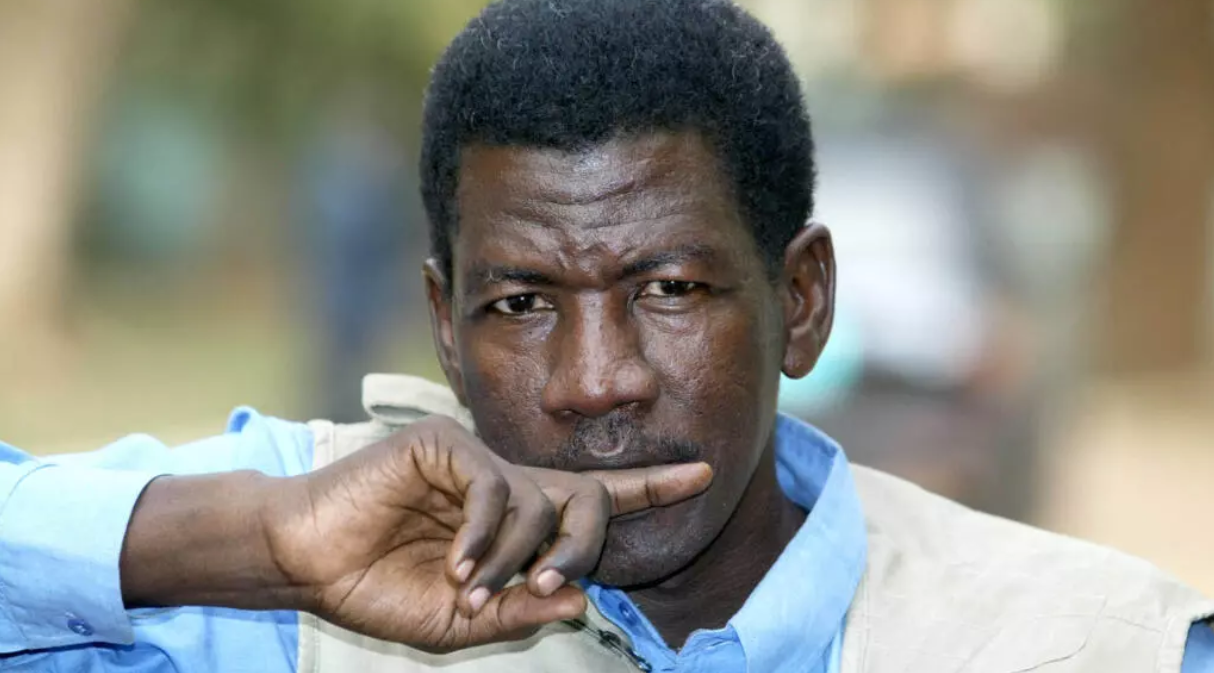

The disappearance of Moussa Kaka, a prominent Nigerien journalist, has become the latest flashpoint in a media landscape increasingly squeezed by military rule. For nearly four decades, Kaka has been a voice shaping Niger’s public discourse—first as a correspondent for international outlets, now as the director of Radio-Télévision Saraounia. His sudden vanishing on August 31, 2026, as he left his office in Niamey, has reignited fears of a new era of repression where journalists vanish without a trace.
Where is Moussa Kaka, and what does his disappearance reveal about Niger’s media environment?
From arrest to absence: how Niger’s press freedom crisis escalated
Since the July 2023 military takeover that ousted President Mohamed Bazoum, Niger’s media sector has endured a systematic erosion of freedoms. Journalists who once reported on governance, security, or international relations now face arrests, suspensions, and judicial persecution. This crackdown reached new heights in 2025, with 13 media professionals detained—many for months—under charges ranging from “threatening state security” to alleged links with foreign destabilization efforts.
The pattern is unmistakable: first, a journalist is arrested or summoned by authorities. Then, weeks or months may pass before their detention is officially acknowledged—or, in some cases, before they reappear at all. The 2024 case of Ivorian journalist Serge Mathurin Adou, who was held incommunicado for weeks after responding to a police summons, set a chilling precedent. His eventual detention on charges of undermining state security highlighted how “disappearances” can mask state coercion in Niger.
Cases that defined the crisis
- Samira Sabou (September 2023): The journalist and blogger was abducted by plainclothes officers in Niamey. After days of silence about her whereabouts, she resurfaced in police custody—held for weeks before release.
- Soumana Idrissa Maïga (April 2024): Arrested for publishing an investigation into alleged eavesdropping equipment in government buildings, he faced charges of “threatening national defense” and spent over two months in detention before provisional release.
- Seyni Amadou (January 2025): His broadcast of a government performance review led to the suspension of Canal 3 TV and his own arrest on vague security grounds—only for him to be released days later after international condemnation.
- The October 2025 wave: Six journalists, including Kaka, were arrested over a shared allegation of spreading an invitation to a press conference via social media. Three remain in custody for nearly a year before gradual releases began in mid-2026.
A freefall in press freedom rankings
No metric better captures Niger’s decline than the yearly Reporters Without Borders World Press Freedom Index. In 2025, the country plummeted from 83rd to 120th place—among the sharpest drops globally. The organization attributes this collapse to a surge in arrests, prosecutions, and media restrictions since 2023, coupled with repressive cybercrime laws that criminalize critical online content.
What the numbers mean for Niger’s democracy
Each arrested journalist, suspended outlet, or blocked signal is not just a statistic—it represents a silencing of dissent. The October 2025 mass arrests of six media workers, followed by the abrupt disappearance of their colleague Moussa Kaka weeks later, suggests a strategy of intimidation designed to paralyze independent reporting.
Take the case of Ibro Chaibou, one of the six detained in 2025. After 10 months in detention, he was released on August 28, 2026. Five days later, Kaka vanished.
While investigators have not established a direct link between these events, the timing underscores a disturbing reality: in Niger’s current climate, the line between arrest and disappearance is dangerously thin.
Beyond Kaka: why public accountability matters
Moussa Kaka’s family, colleagues, and Nigerien society at large deserve clarity—not speculation. His disappearance raises urgent questions that extend far beyond his individual fate:
- Are authorities investigating his disappearance with transparency? The lack of public updates fuels concerns that this case could follow the pattern of enforced silence seen in other detentions.
- Does Niger’s military leadership systematically suppress journalistic inquiry? The arrests of editors, bloggers, and correspondents over sensitive topics—from government performance to foreign relations—suggest a deliberate attempt to control the flow of information.
- What safeguards exist for Nigerien citizens’ right to know? When journalists operate under the constant threat of arrest or forced disappearance, the public loses access to essential scrutiny of power.
The role of global bodies in protecting voices
Beyond local outrage, international mechanisms have also weighed in. Reporters Without Borders has repeatedly called for Kaka’s whereabouts to be established and has engaged the UN Working Group on Enforced or Involuntary Disappearances. Such interventions are vital—yet their effectiveness hinges on Niger’s willingness to comply with basic standards of accountability.
Press freedom as a pillar of democracy
The question now facing Niger is not merely about one missing journalist—it is about the future of civic space itself. Press freedom is not measured in broadcast licenses or website approvals, but in the ability of reporters to investigate, question, and publish without fear of abduction, prosecution, or death.
Moussa Kaka’s disappearance is a turning point. After years of arrests, suspensions, and legal harassment, the profession has reached a breaking point. If a journalist cannot walk home from work without vanishing, what remains of Niger’s democratic fabric?
The answer depends on whether Niger’s authorities finally confront the crisis—not with vague reassurances, but with transparent action.