Patrice talon’s new role as senate president reshapes Benin’s political landscape
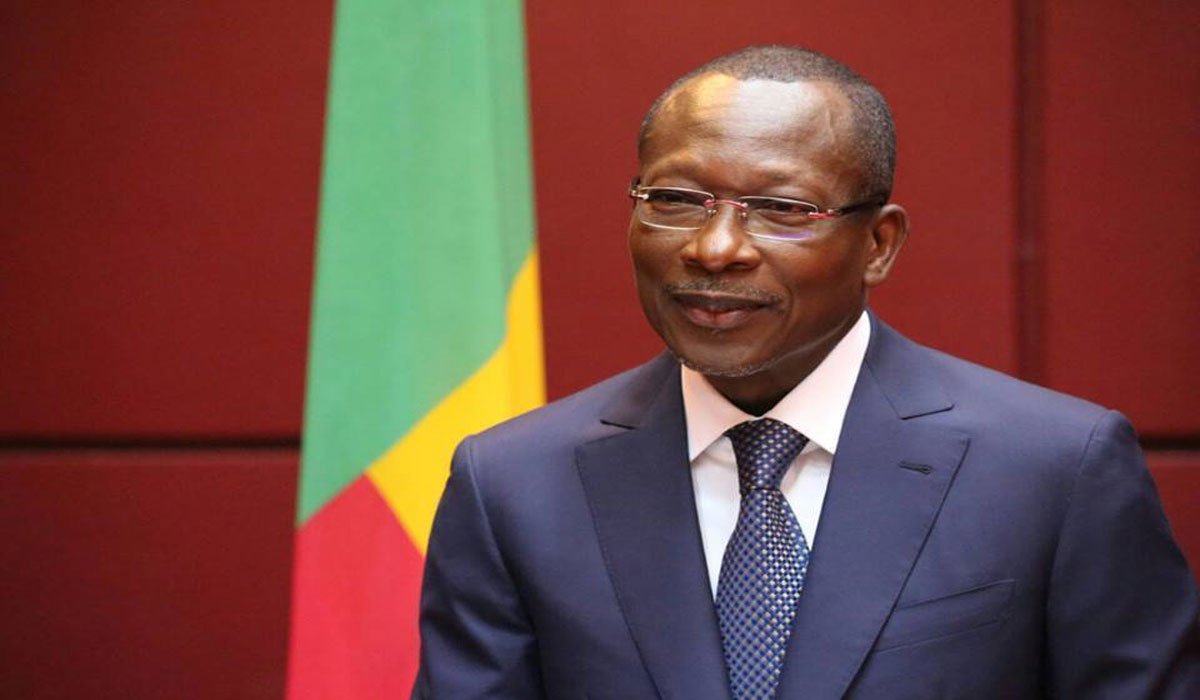
On August 6, 2026, Benin’s political history took a decisive turn. Delegates convened at the Governor’s Palace in Porto-Novo elected former President Patrice Talon as the first-ever head of the country’s newly established Senate, marking a bold new chapter in West African governance.
After a decade in the executive office (2016–2026), the architect of Benin’s ‘New Dawn’ initiative proved that presidential retirement doesn’t necessarily mean political farewell. His election underscores a growing trend in the region: former leaders can remain influential without clinging to power.
Returning to institutional leadership
The overwhelming vote for Patrice Talon as Senate President reflects the completion of Benin’s constitutional reform, which introduced a bicameral legislature to strengthen governance. This new Senate, with 25 members—including former heads of state as ex-officio members—was designed to serve as a stabilizing force and guardian of national unity.
- A stabilizing chamber: By integrating former leaders into its structure, the Senate acts as a counterbalance, ensuring continuity and measured decision-making in times of political transition.
- A voice of reason: As leader of the Senate’s permanent bureau, Talon retains significant political leverage, positioning himself as a moderator in the democratic process between the executive and the National Assembly.
Can a former president stay relevant without holding executive power?
Across Africa, transitions of power often spark debates about legacy and future roles. Patrice Talon’s trajectory offers a distinct model:
- Upholding constitutional limits: By stepping down after two terms, he reinforced Benin’s commitment to democratic alternation, setting a precedent for peaceful power transfers.
- Shifting influence to the legislature: Instead of pursuing international roles or private ventures, he chose to institutionalize his leadership by leading the upper house of Parliament.
- Embracing a statesman’s role: Seated among other historical figures of Beninese politics, Talon now serves as an arbiter of stability, guiding reforms and mediating between competing political forces.
Key takeaways from Talon’s Senate presidency
The August 6 election of Patrice Talon as Senate President signals a shift in African governance: it demonstrates how former presidents can contribute meaningfully to national development while respecting institutional boundaries. This model of post-presidential engagement is poised to influence political dynamics across West Africa and beyond.