

From words to action: how two leaders reshaped Sahel sovereignty debates
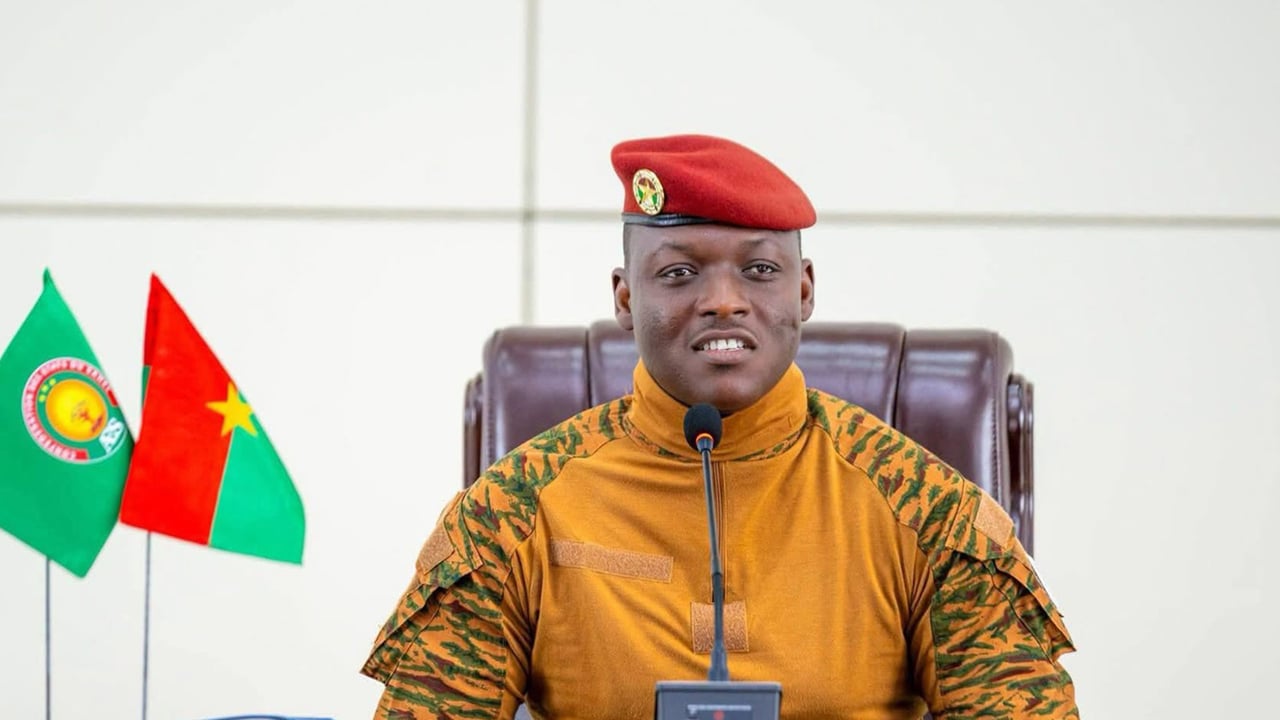
On September 11, 2026, the corridors of Nazi Boni University in Bobo-Dioulasso, Burkina Faso, witnessed an unprecedented moment in regional politics. Captain Ibrahim Traoré, at the helm of Burkina Faso, delivered a speech that sent shockwaves through diplomatic circles. His words echoed a powerful alignment with Marine Le Pen’s sovereignty-driven rhetoric, marking a turning point in how the Sahel’s future may unfold. What began as shared political philosophy is now evolving into a concrete alliance with tangible consequences for local populations.
The strategic pivot: why Traoré and Le Pen’s postures align
At its core, the convergence between Traoré and Le Pen is not incidental. Both leaders have positioned themselves as champions of national sovereignty, rejecting foreign interference and advocating for policies that prioritize indigenous control over resources and governance. This shared stance is rooted in historical grievances: Traoré’s Burkina Faso, alongside its Alliance of Sahel States partners, has experienced years of instability exacerbated by external interventions, while Le Pen’s France has long criticized the European Union’s centralizing tendencies and its impacts on French autonomy.
Key points of alignment include:
- Anti-interventionism: Both reject military or economic overreach, framing it as a violation of sovereignty.
- Resource nationalism: Emphasis on local exploitation of natural wealth without foreign corporate dominance.
- Political self-determination: Rejection of external political oversight, including from former colonial powers.
Diplomatic tremors: reactions from African and European capitals
The partnership has not gone unnoticed. African and European governments are recalibrating their strategies in response to this unexpected coalition. In West Africa, reactions range from cautious optimism among sovereignty advocates to outright concern from nations reliant on French economic or security ties. European capitals, particularly Paris, are closely monitoring the shifting dynamics, as Le Pen’s ascendant discourse gains traction in the Sahel’s corridors of power.
The alliance has also intensified debates within the Economic Community of West African States (ECOWAS), where traditional alliances are being tested. While some member states view Traoré’s alignment with Le Pen as a strategic manoeuvre to secure alternatives to Western partnerships, others warn of potential isolation from broader economic blocs.
Impact on Sahel citizens: promises and perils ahead
For ordinary citizens across the Sahel, the Traoré-Le Pen alliance presents a mix of hope and uncertainty. On one hand, advocates of sovereignty argue that reduced foreign influence could lead to more accountable governance and sustainable economic policies tailored to local needs. On the other, skeptics caution that nationalist posturing without institutional safeguards may exacerbate instability or deepen divides within fragile states.
Potential benefits for local communities
- Enhanced self-reliance: Greater control over national resources could fund social programs and infrastructure.
- Reduced dependency: Less reliance on external aid or loans that come with political strings attached.
- Cultural preservation: Policies prioritizing indigenous knowledge and languages in education and media.
Risks that demand vigilance
- Economic instability: Sudden withdrawal from international markets or partnerships may trigger shortages or inflation.
- Geopolitical isolation: Alienating traditional allies could limit access to critical support during crises.
- Social unrest: Nationalist policies might marginalize minority groups or exacerbate ethnic tensions.
The road ahead: navigating uncharted territory
As Traoré and Le Pen’s alliance gains momentum, the coming months will be critical in determining its long-term viability. Will it foster a new era of equitable partnerships, or will it deepen divisions? The trajectory will depend on three key factors:
- Implementation clarity: How will abstract sovereignty principles translate into actionable policies?
- International engagement: Can the alliance maintain constructive dialogue with both African and European partners?
- Public trust: Will citizens rally behind the vision, or will skepticism undermine credibility?
One thing is certain: the Burkina Faso-France axis is no longer just a theoretical debate. It is a living experiment with the power to redefine the Sahel’s political and economic landscape for generations to come.