
Behind the presidential pardon: Mali’s strategic use of justice as a political tool
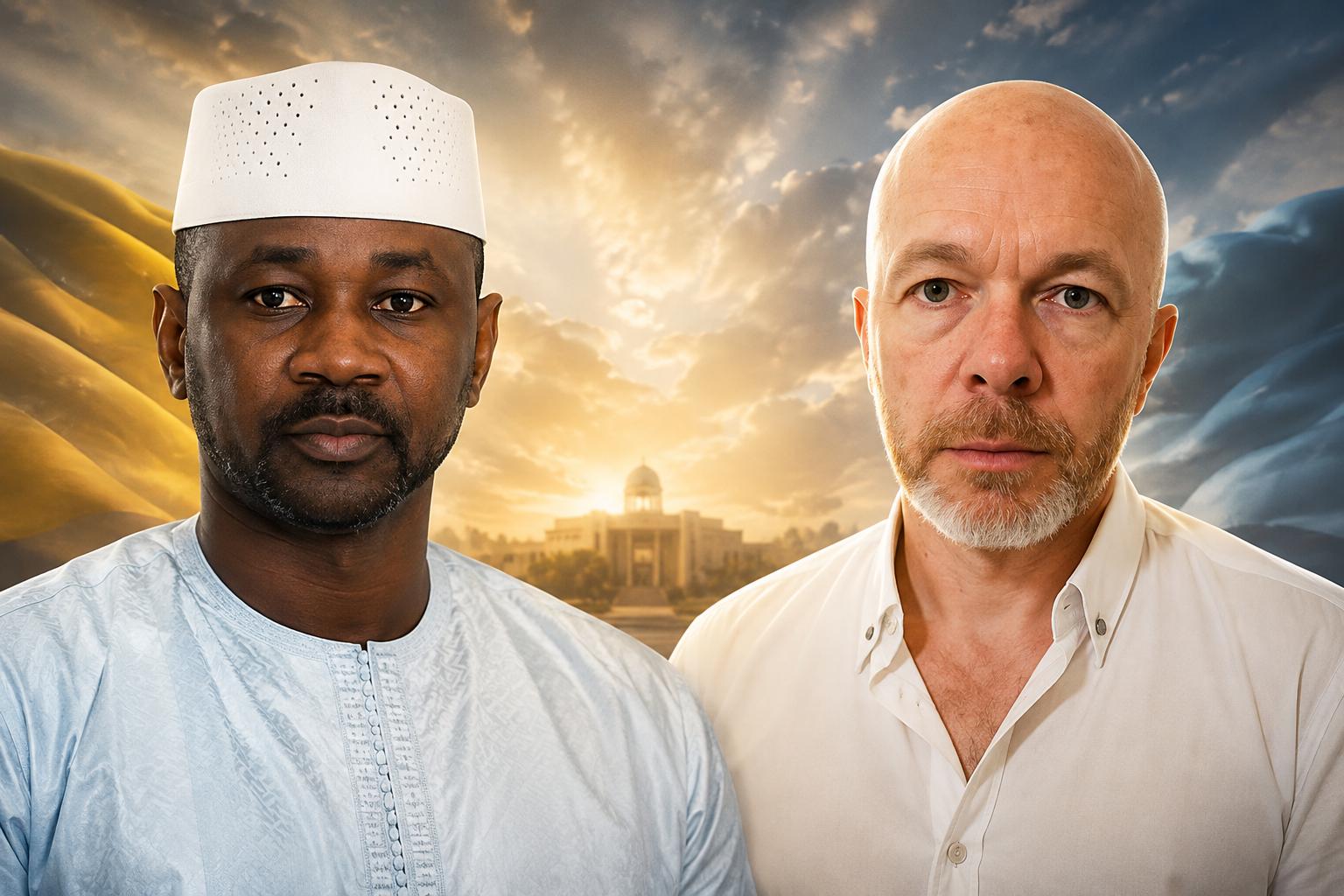
The announcement came with the ceremonial grandeur reserved for acts of national sovereignty: Malian leader Assimi Goïta granted a presidential pardon to Yann Vézilier, a French intelligence officer detained in Bamako a year earlier. Condemned in June to a hefty 20-year prison sentence for alleged attempted destabilization, the covert diplomat was set to return to France. Yet while Malian authorities spin this outcome as an act of magnanimity and state forgiveness, the truth reveals a far more calculated narrative.
Diplomatic theater: how Bamako turned a trial into a propaganda spectacle
The use of a pardon is not a spontaneous gesture of clemency, but the final act in a meticulously staged legal and political performance. From the outset, the trial was designed not as a judicial process, but as a state-orchestrated spectacle aimed at reinforcing internal cohesion and projecting strength. The harsh sentence handed down in June—twenty years behind bars—was never about legal conviction; it was a deliberate move to create a bargaining chip in future diplomatic exchanges.
While the official story portrays the regime as unshakable in its control and military resolve, the reality in the field tells a different tale. Despite claims of battlefield success, Mali’s armed forces have not engaged the insurgent groups—namely the Cadre Stratégique Permanent (CSP-DPA/FLA) and the Group for the Support of Islam and Muslims (JNIM)—in decisive combat. Reports indicate that Russian advisors from Africa Corps played no direct role in recent military operations, remaining on the sidelines.
To secure the release of captured Malian soldiers, the transitional government pursued a different path—direct, behind-the-scenes negotiations with JNIM and FLA commanders. These talks were not about peace or reconciliation, but about transaction: financial compensation exchanged for the return of prisoners. The presidential pardon granted to Vézilier is simply the latest chapter in this pattern of pragmatism over principle.
The trial’s hidden purpose: shaping national opinion through a manufactured enemy
Yann Vézilier’s arrest in August 2025 was not a surprise to Mali’s security apparatus. His presence as a French intelligence officer had been officially acknowledged. So why the sudden shift from accredited diplomat to accused conspirator? The answer lies in domestic politics. By fabricating an external threat—portraying France as a hostile actor—the military regime sought to unify a fractured public behind a shared enemy and justify its prolonged hold on power.
The trial’s lightning-fast proceedings and lack of publicly disclosed evidence left little doubt about its political nature. Legal experts agree: the conviction was engineered to serve a narrative of aggression, positioning Mali as a sovereign state defying foreign interference. The presidential pardon, far from being an act of mercy, is the conclusion of a strategy designed to extract maximum political capital from the entire affair.
From sentence to pardon: how justice becomes a state instrument
In state hostage diplomacy, justice is not blind—it is wielded. The heavy sentence imposed on Vézilier was never meant to be served. It was a calculated move to create leverage, a lever to be pulled when the moment suited Bamako’s interests. The pardon, when it came, was not an act of clemency, but the final act of a carefully scripted performance—one that allows the regime to claim victory on two fronts: domestically, by proving its defiance of foreign powers, and diplomatically, by securing a favorable outcome through negotiation.
This case will not be remembered as an example of judicial leniency, but as a stark illustration of how justice in Mali—from conviction to clemency—can be molded into a tool of strategic communication, power projection, and silent compromise in the shadows of Bamako’s political landscape.