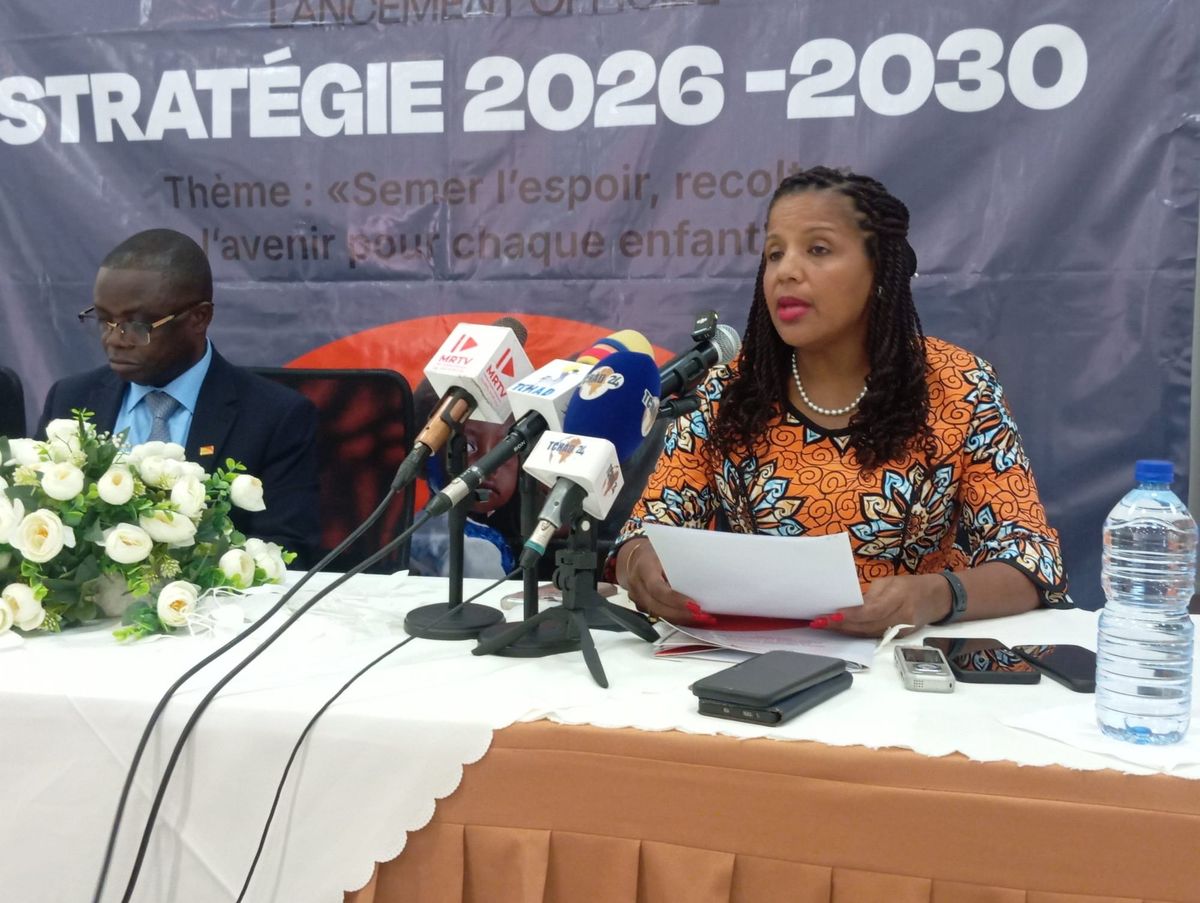
World Vision Chad unveils bold 2030 strategy for child welfare
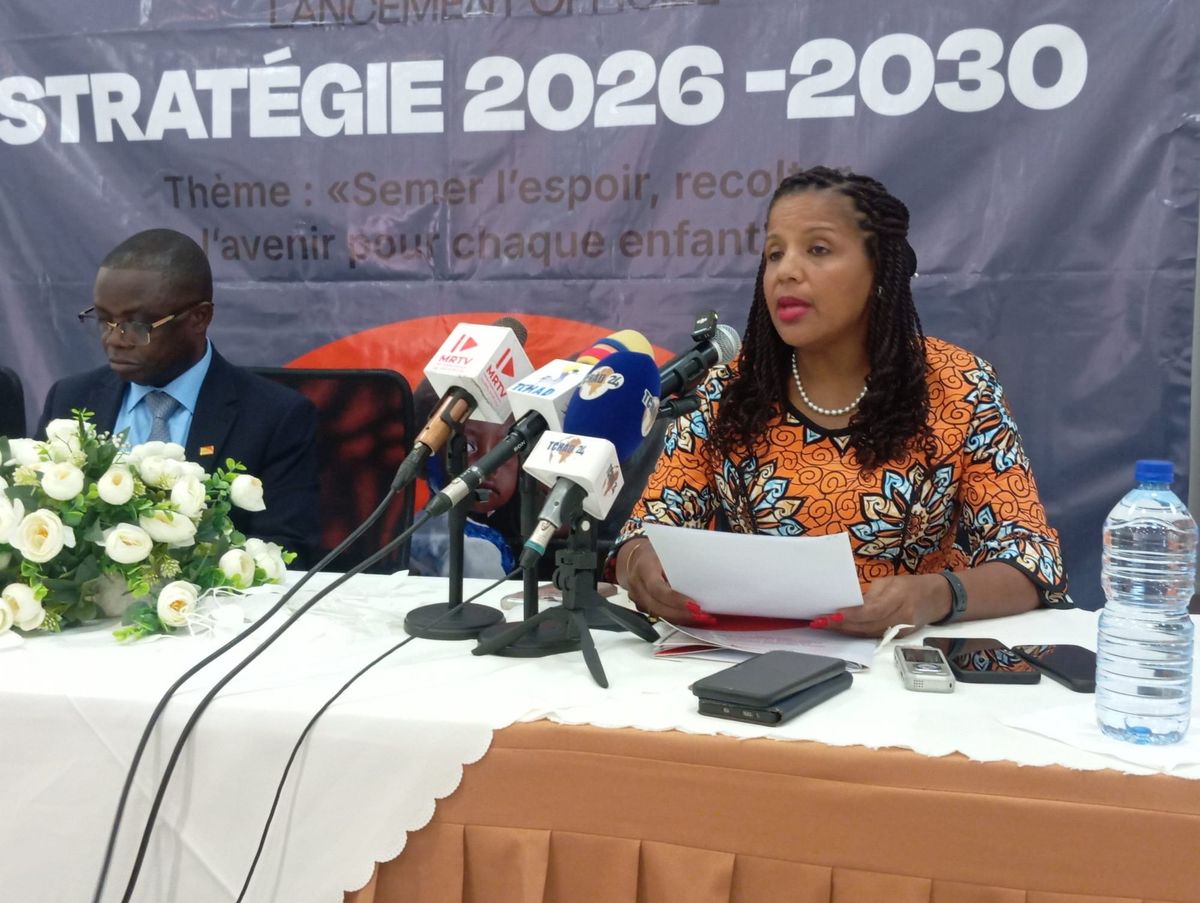
World Vision Chad unveils bold 2030 strategy for child welfare
N’Djamena – World Vision Chad has rolled out its ambitious 2026-2030 national strategy, marking a pivotal moment in the organization’s commitment to transforming the lives of children across the country. Unveiled at a high-profile press briefing in the capital, this initiative aims to directly benefit 3.29 million children by the end of the decade, with a special focus on 3.09 million of the most vulnerable youth.
Launched at the N’Djamena Residence Hotel, the strategy represents a 20% increase in scope compared to previous plans, reflecting World Vision Chad’s expanded vision for addressing the nation’s most pressing challenges. The roadmap integrates humanitarian aid, sustainable development, and peacebuilding into a unified approach designed to tackle the root causes of child vulnerability in Chad.
An integrated approach to transform lives
The strategy is built on the Humanitarian-Development-Peace Nexus, a framework that connects emergency relief with long-term development and community stability efforts. As highlighted by Carla Dominique Denizard, Regional Director for West Africa, this approach ensures that interventions in health, nutrition, education, and child protection are not only responsive but also sustainable. “Every child in Chad deserves not just survival, but the opportunity to thrive,” she emphasized during the announcement.
The strategy aligns with critical continental and international frameworks, including the African Union’s Agenda 2063, the United Nations Sustainable Development Goals (SDGs 1, 2, 3, 4, 5, 6, 13, and 16), and Chad’s own Vision 2030. Key priorities include:
- Enhanced health and nutrition: Expanding maternal and child health services while addressing acute malnutrition through integrated programs.
- Quality education: Scaling up the Unlock Literacy initiative to improve early reading skills and reduce school dropout rates.
- Child protection: Strengthening systems to shield children from violence, exploitation, and harmful practices.
- Climate resilience: Equipping communities with adaptive strategies to mitigate the impact of environmental challenges.
- Social protection: Expanding safety nets to cushion vulnerable households against economic shocks.
Chad’s challenges demand collective action
Chad faces a complex web of challenges that threaten its progress, including widespread poverty, chronic malnutrition, recurring humanitarian crises, and the devastating effects of climate change. With nearly 42% of the population living below the poverty line, the need for targeted interventions has never been greater. “The road ahead is demanding, but together we can turn these challenges into lasting opportunities,” stated Édouard Ngoy Wangoy, National Director of World Vision Chad.
The strategy’s success hinges on collaboration among government agencies, technical partners, financial supporters, civil society, religious leaders, and media outlets. By fostering a unified response, World Vision Chad aims to create an environment where every child can grow up healthy, educated, and safe—fulfilling the promise of the country’s Vision 2030 and the global SDGs.
As the organization embarks on this journey, it calls on all stakeholders to join forces in building a future where no child is left behind. The 2026-2030 strategy is more than a plan—it is a commitment to redefining what is possible for Chad’s youngest generation.